
A great band requires many things. They need a distinct style, interesting songwriting, a strong work ethic, good marketing, engaging live performances, and much, much more. However, the most important is a strong connection with each other, the music community, and listeners of their music. In order to better understand the importance of community, I organized an interview with a band that not only understands this, but makes it the core of everything they do: Zinnia’s Garden.
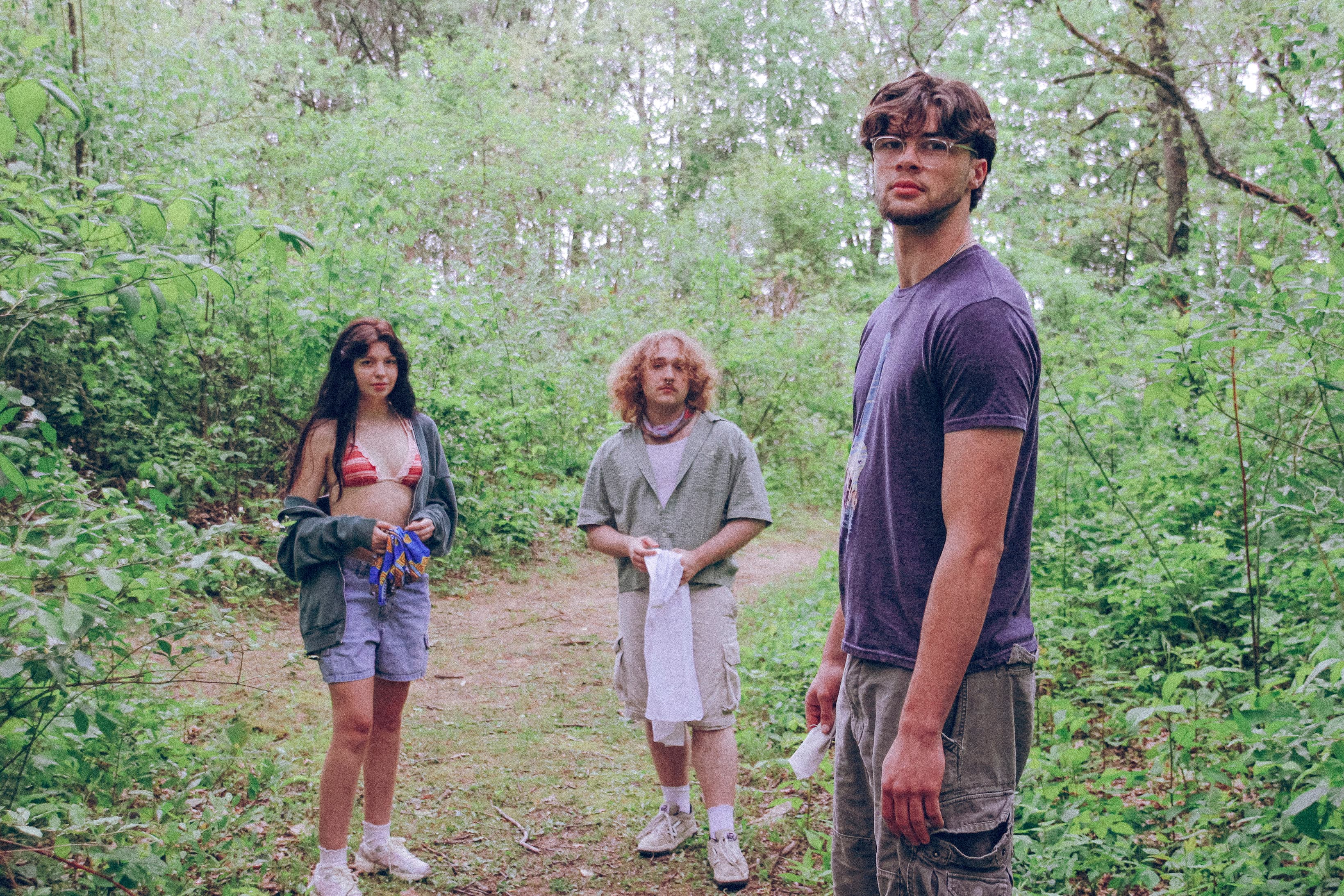
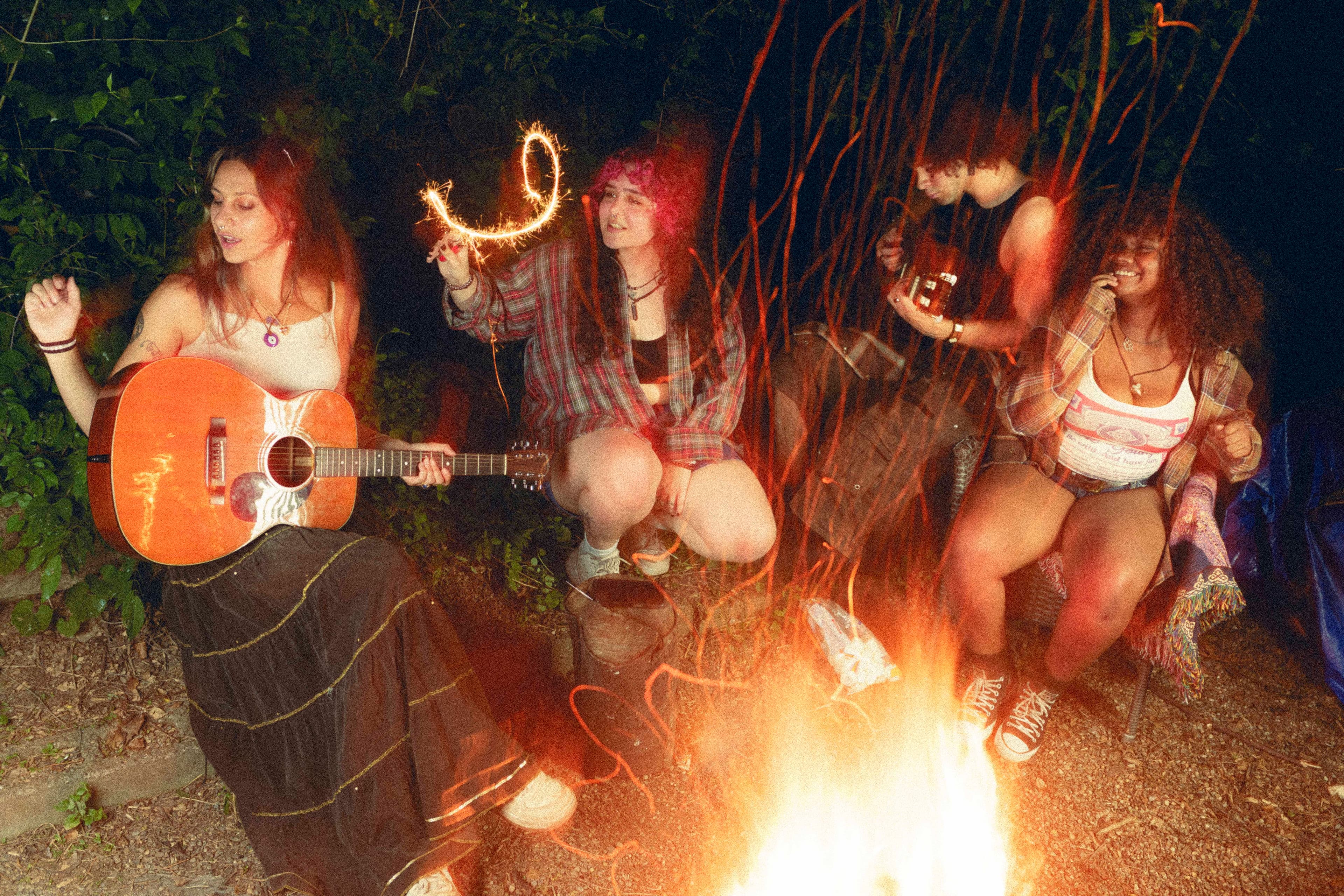
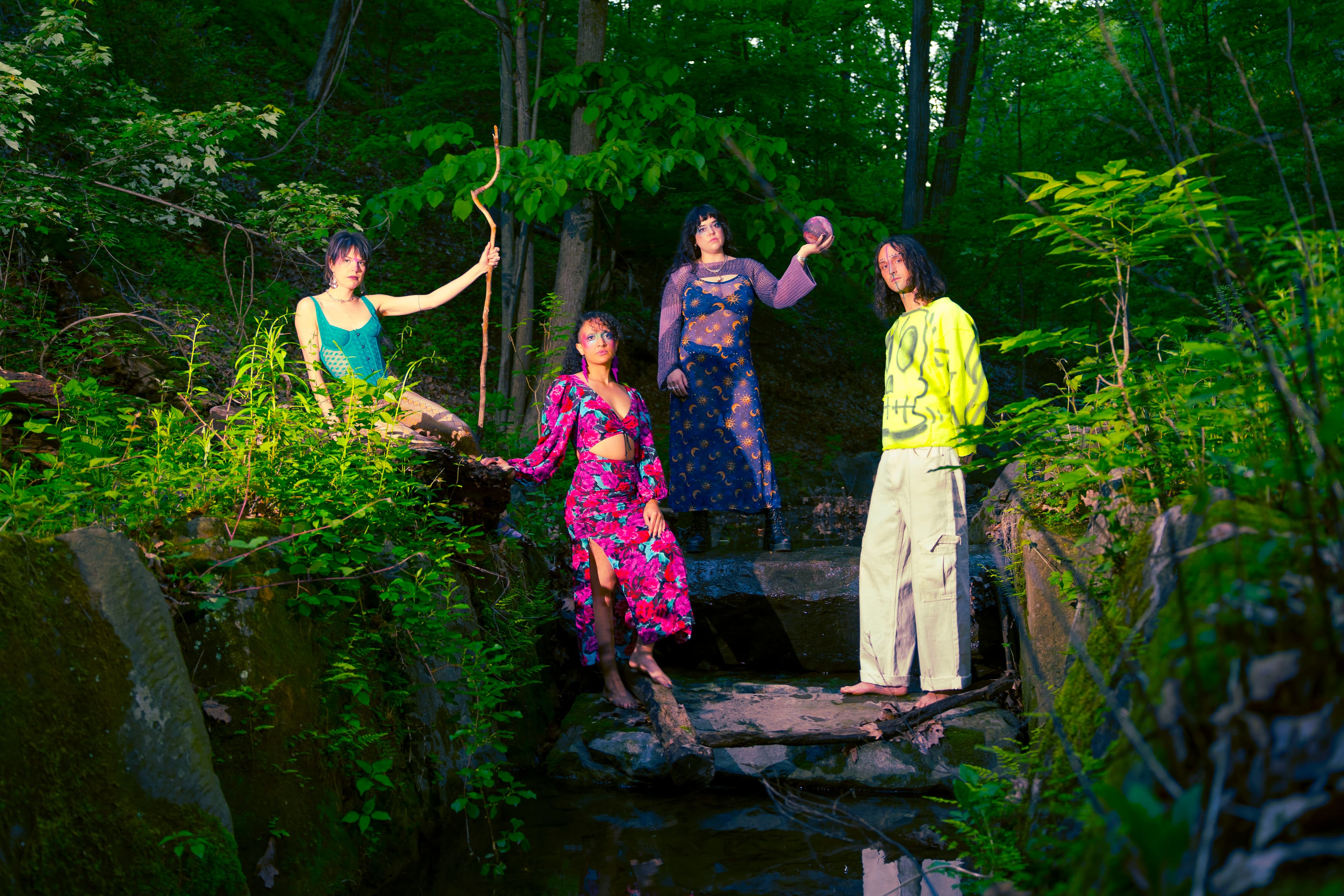
Zinnia’s Garden is a four-piece rock band originally formed by Evan Smith (guitar) and Mary Grace (vocals/drums) in Taos, New Mexico. Then, in early 2023, they moved to Pittsburgh, meeting Kiah Rihana (keys/vocals) and Maura Moon (bass/vocals).
While some bands have a distinct leader directing the lyrics and general sound of every song, Zinnia’s Garden’s song creation is extremely collaborative from start to finish; no one member takes the helm on any single song.
“I do believe that each one of us, individually, are responsible for each one of the songs in some sort of respect. It does take each one of us to get the feeling of the sound that we have. And I think that's the coolest part about it; we all pour our all into each one of the riffs, each one of the lyrics, each one of the everything, to make sure that it's completely intentional. I think that's the coolest part about our band and definitely separates us, versus a singer-songwriter and then the band working just to the singer-songwriter.”
— Evan
As three members of the band sing, they create complex and unique vocal harmonies alongside the main melodies together, just like other aspects of their songs.
“I think that we all take to harmony really naturally. So, it's easy when one person has a lead that they want to go for; we know that the other two people can build harmony on that.”
“And then we just naturally take turns: like who's singing lead and who's harmonizing.”
— Kiah
This is true across different songs, but even in the same song:
“You might be singing a harmony on one verse and then a lead on the next verse.”
— Kiah
While their chemistry and love for music allow for an organic and collaborative writing process, Mary Grace explained it is also what allowed the band to survive their move across the country from Taos, New Mexico all the way to Pittsburgh.
“Moving across the country in general is not easy, so value the things that are going well in your life, and if your music is going well, value what those people in the band that you're creating music with mean to your artistic process.”
— Mary Grace
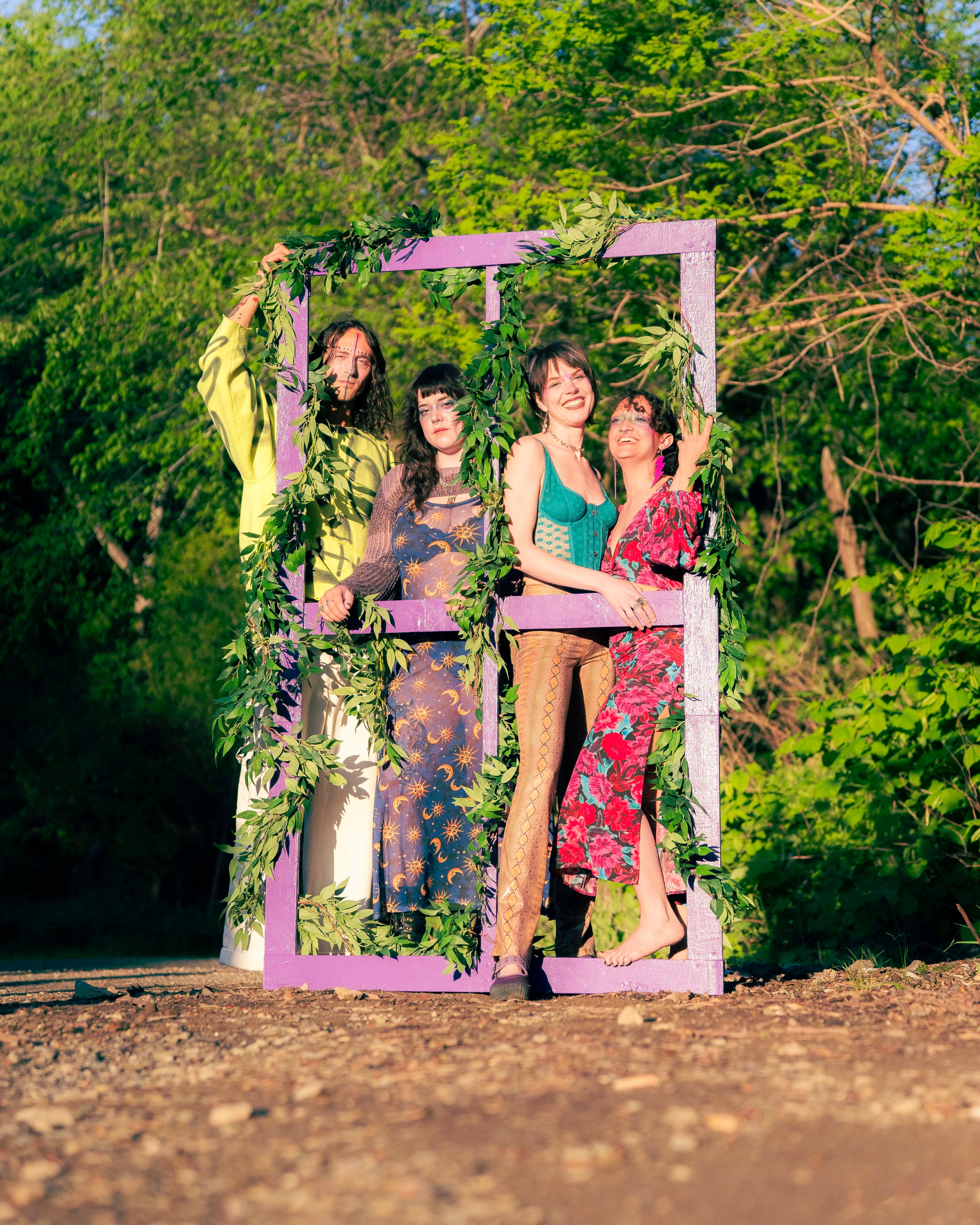
Zinnia’s Garden strives to form connections with their listeners through the messages in their songs. Specifically, they spread ideas of “Empowerment. Really uplifting,” said Kiah, “everything uplifting in this time and age, and really sharing authentic feelings, so we all feel more connected to one another.”
As Evan explained, the feelings and messaging in their songs come from very personal goals and experiences.
“You can take a feeling of ‘Oh, where do I want to be,’ and paint this picture in your head and be imaginative. That's definitely just Songwriting 101, and I think a lot of this stuff is very personal. And we want it to be relatable as well because we are all different people, but we're the same at the end.”
— Evan
These messages are conveyed, obviously, through lyrics, but the band also uses dynamics and texture as equally powerful tools. During the songwriting process, Maura explained that they will ask themselves:
“Does this part need to be really big? Does it need to be really loud? Do we want a part that's softer and sweeter to bring that feeling across?”
— Maura
The band also experiments with allusion and genre to help convey a specific feeling.
“If you take classic songs from [different] decades and you listen to them, they portray what is going on in the times—and we are living in a really interesting time where we have access to everything for the first time ever. So, creating music at this time specifically allows us to draw inspiration technically from vast catalogs of music, dating back so, so far.”
— Maura
The seeds of community found in the messaging of Zinnia’s Garden’s songs fully blossom in the inherently intimate atmosphere of an indie live show. This atmosphere is then enhanced by their authentic stage presence and clear love for performing.
"We will not perform if we're not feeling mentally ready to perform. Like we literally will show up 100% ‘us’ every single time.”
— Mary Grace
“I think the biggest thing I hear after our shows is, ‘you guys look like you're having a lot of fun.”
— Maura
It was because of their intoxicating stage presence that I initially heard about the band. My friend and co-director of this article, Jack Bender, stumbled across them live at a local music festival and was so captivated that his friends had to drag him from the stage. From that day, he knew he wanted to get to know them and introduce them to his friends.
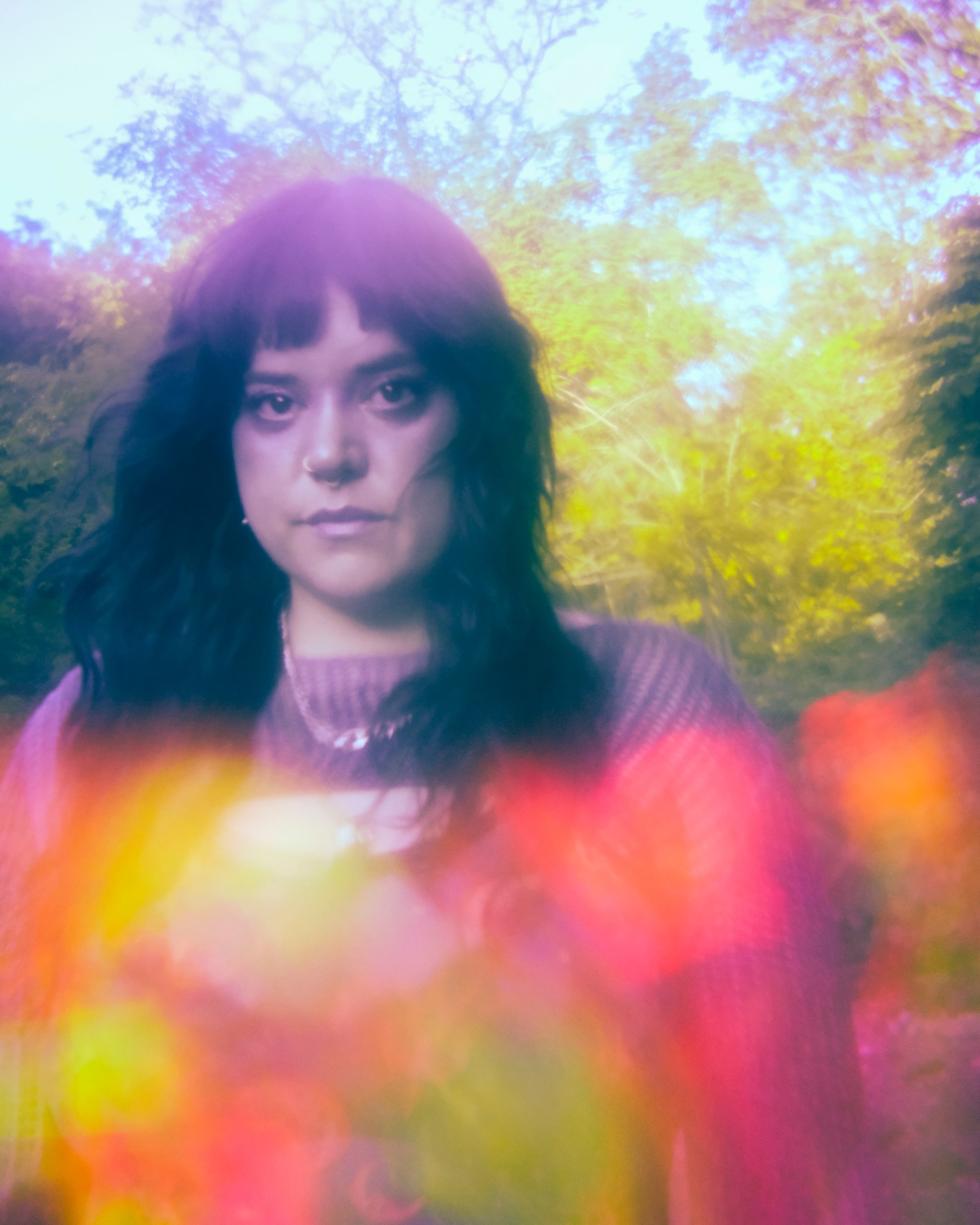
Zinnia’s Garden prioritizes bringing people in, breaking the barrier between artist and listener and ensuring the audience is comfortable.
“We really try to invite people into our sphere. Like we're really tight, the four of us, and sometimes it can be fun to invite other people into that feeling of, ‘Okay, you don't have to be perfect to be seen. You don't have to be prim and proper to be in this thing.’”
— Mary Grace
This extends past their set. At the shows I have been to, after performing, they will go into the crowd talking to audience members and employees of the venue. Once the music starts, they are right in the middle, dancing with those around them.
Their performances are also an incredibly important part of the development of their music, allowing them to see how an audience reacts to it.
“We've purposefully gone into shows to test out material that might not be ready or strong, and we need audience feedback to help us develop it.”
— Maura
This feedback comes from the audience’s live reactions as they play.
“You can feel it in the room. If there's a spot in a song that's a dud, then we're going to reform the song to make it feel correct, and that's our thing.
“Sometimes, we have a song that's an infant, and we don't know if it's going to come across the way that we hear it... The relationship that we have with our crowd, and the feeling that's in the room, it's very obvious whether we should be changing something or if it's hitting and coming across the right way.”
— Evan

Crowd feedback is also how the band ended up in their rather unusual formation, with all four band members in a line at the front of the stage.
“We did a lot of formations and people were like, ‘If you're all singing, you should all be present at the top of the stage.’ And so we did it.”
— Mary Grace
This formation also works with the egalitarian and community-driven nature of the band, as explained by the drummer Mary Grace:
“It's so fun to be able to just all vibe out, and I get to hang out with everybody behind my drum kit, in line with everybody.”
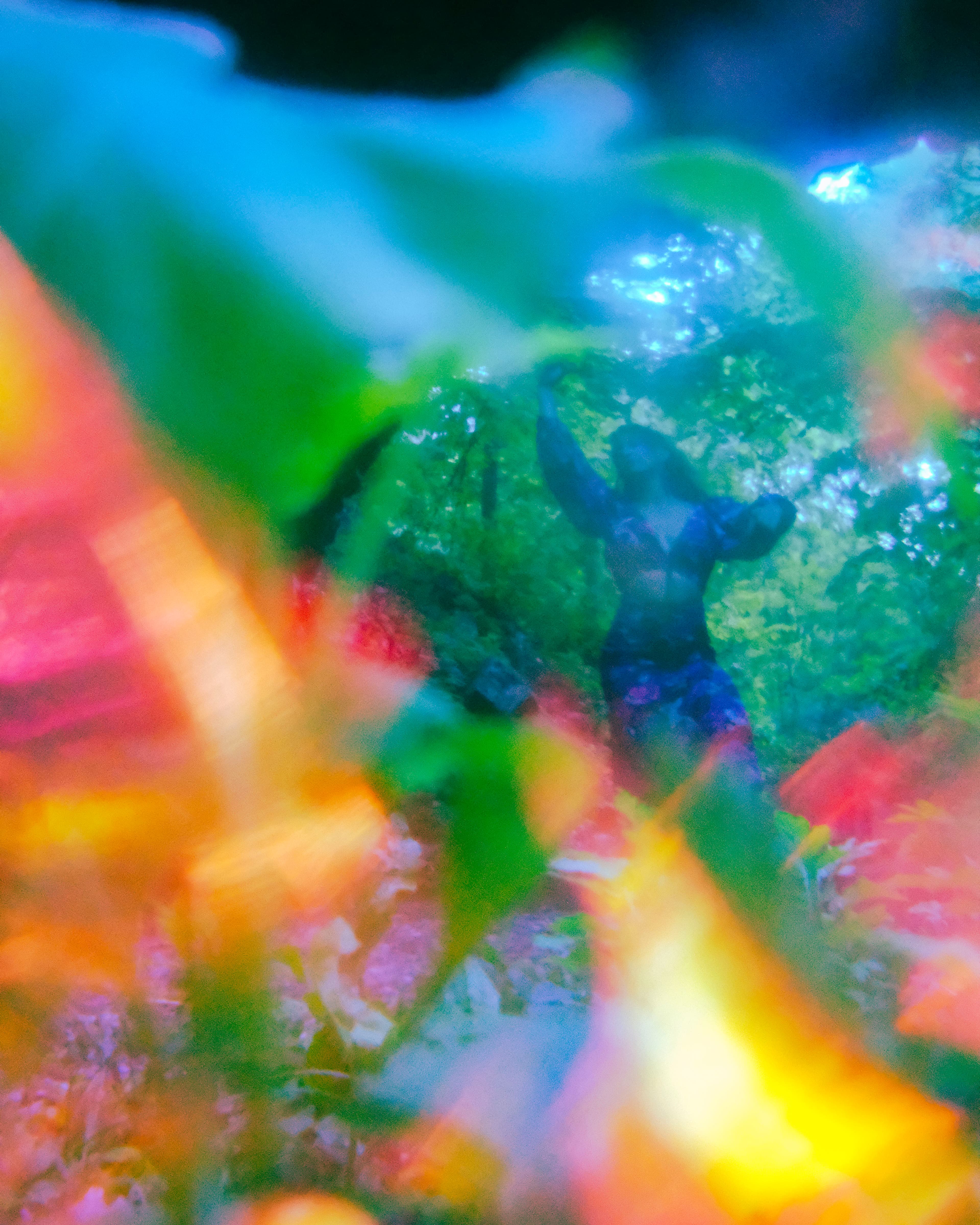
As with any band, Zinnia’s Garden could not exist without an incredibly strong community of music lovers around them. Yet this band’s enthusiasm to shout out those who have helped them is unique. Whenever I gave them any chance to acknowledge other people in the scene, whether it was fellow bands or local music institutions, they would all immediately jump in, giving long lists of names that I would then try frantically to write down.
One group they are especially passionate about, often forgotten in comparison to the bands on their stages, are the venues and the people who run them.
“We can go into a lot of music venues and chop it up with the people who own the place, people who work at the place, because we work with a lot of them, and we're friends with a lot of them. We were just in there yesterday talking to the owner of Brillobox, just chopping it up, having a good old time. Really sweet people own venues — private, independent, venues across the city, so it's easy to create and establish long-lasting connections. And, that's a way that we're really lucky here in Pittsburgh, versus maybe a more primary market or something a little bit bigger.”
— Mary Grace
Evan then followed up, “Shout-out to Mr. Smalls, Thunderbird, Brillobox.”
However, the scene would by definition not exist without the other amazing bands that they are friends with, inspiring their own work.
“We're super lucky to have the music scene that we have here in Pittsburgh, and I know for sure we're all super stoked to be a part of it."
— Evan
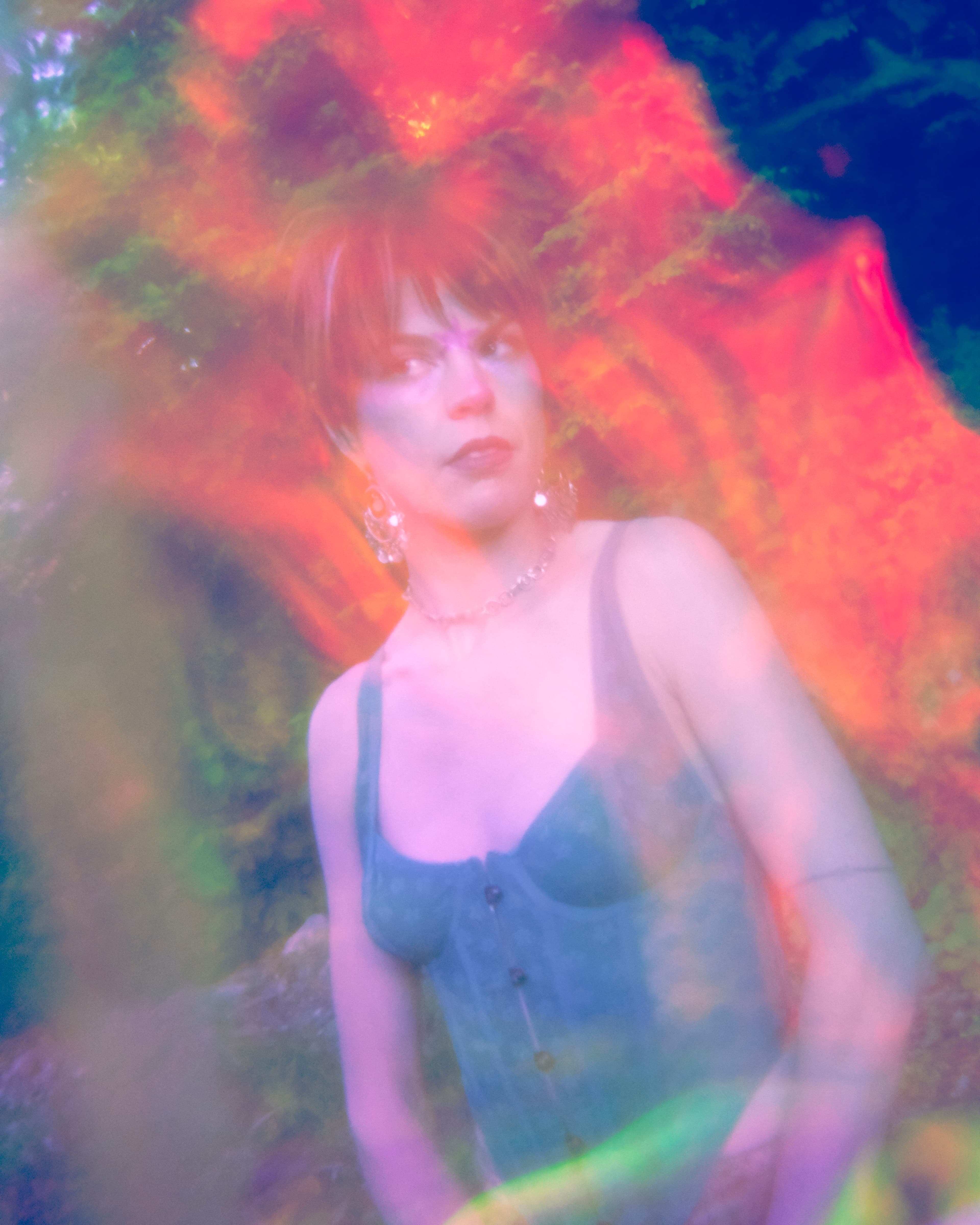
When asked which bands' stage presence they see as an inspiration, Kiah brought up, “Old Game, [because of their] theatrics and the depth at which they're evoking that emotion.” They also listed a number of their general favorites, rapid firing off names such as: The Draft, Heading North, Normal Creatures, Natural Rat, The Elastics, Sunny Daze, Nashville, and Halloway.
They are especially appreciative of these people, as it was these connections with members of the scene that made it possible for them to get started in Pittsburgh after moving.
“We came back and met both Maura and Kiah pretty quickly, and both of them were connected in the scene already... That helped us hugely because there were already doors open from their musical endeavors, and Evan had connections here musically as well. So, we were all drawing collectively from our pasts here musically to push us forward, and we're still continuing to foster those relationships and grow new ones.”
— Mary Grace
While they have the strongest ties to Pittsburgh, they also know bands from surrounding indie scenes, making regional touring possible and boosting each individual scene.
“We have a couple of really close homies — Brood X, Central Flow — in Ohio that, maybe they want to come to Pittsburgh and play a show. Maybe we want to go out to Cleveland and Cincinnati and play shows. And, we've made these deep, deep connections with these people on a personal level, and then we get to benefit in each of our cities. And it's keeping it regional, keeping it indie, keeping it us, but, getting to have a little bit of a boost for each of us.”
— Mary Grace
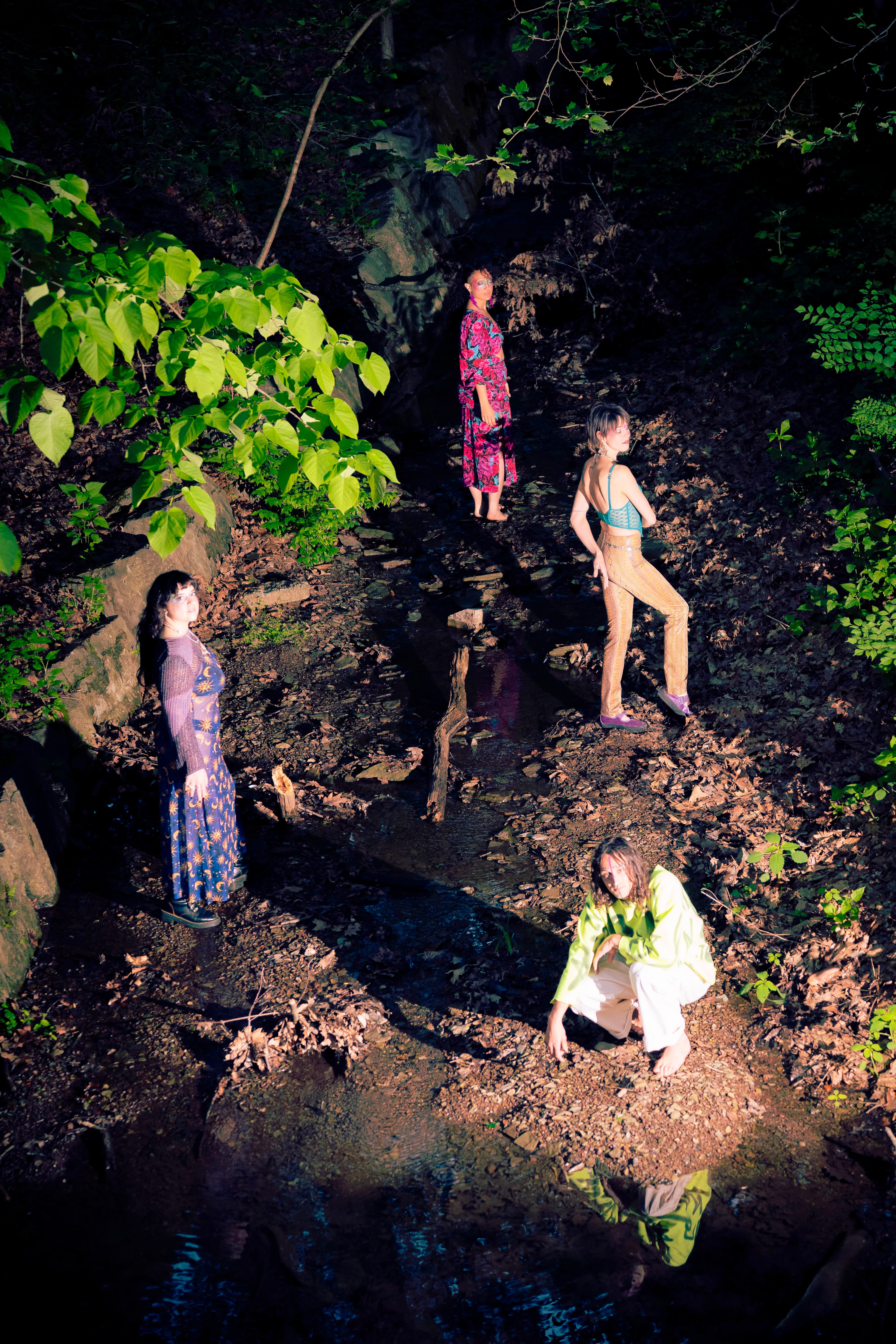
Zinnia’s Garden is a really special band, a fact made immediately obvious at any one of their shows. Their intense collaborative spirit, emphasis on community in songwriting and performance, and intoxicating energy on stage make any show a treat. They are currently working on a new album, new music videos to go along with it, and will continue to do shows all around Pittsburgh; so go check them out!
To finish out our interview, as the band has so much appreciation and knowledge for the local scene, I asked who from the Pittsburgh DIY scene they would choose for a Zinnia’s Garden B-Team. After much deliberation, they decided on Santana from Mourning Sounds on bass, Glenn Strother on electric guitar, Jason Kuehnle on keys, and both Hugo Cruz and Brandon Kaltenbaugh on drums.
I could not end an article on Zinnia’s Garden without shouting out all the amazing venues and bands they have mentioned and worked with. Even if you can not go to a Zinnia’s Garden show, supporting any of these amazing artists and venues mentioned throughout the article will help art in the city thrive, helping everyone involved. Also, other venues and bands that play are all incredibly cool, each with a different sound and aesthetic! This means there are tons of distinct live performances every week at these venues, so there will be at least some shows that match your music taste. Support local music, support independent venues, enjoy good music.