
I was seven when I started watching My Little Pony. I quickly decided Pinkie Pie was my favorite, her contagious energy and perseverance catching on to my young mind. I was nine when I decided I liked Fluttershy more. I found her kindness inspiring and her shyness relatable. If you’d ask me now, at nineteen, who my favorite pony is, I’d laugh and tell you I haven’t watched the show in years. Secretly, though, it’s Twilight Sparkle. Perhaps I relate to her character’s frustrations.
Horses have long existed as symbols of wealth, elegance, and status. Historically speaking, owning a horse required land, time, and money. Owning one, or even many, became less of a necessity with the rise of modern transportation and more of a marker of privilege. Equestrian culture remains a staple of luxurious signaling. Polo matches, the Kentucky Derby, and brands (such as Ralph Lauren) that rely on horse imagery to depict an idealized lifestyle are prime examples of the horse’s symbolism. The horse stands as a representation of refinement and inherited prestige that shapes fashion, media, and pop culture.
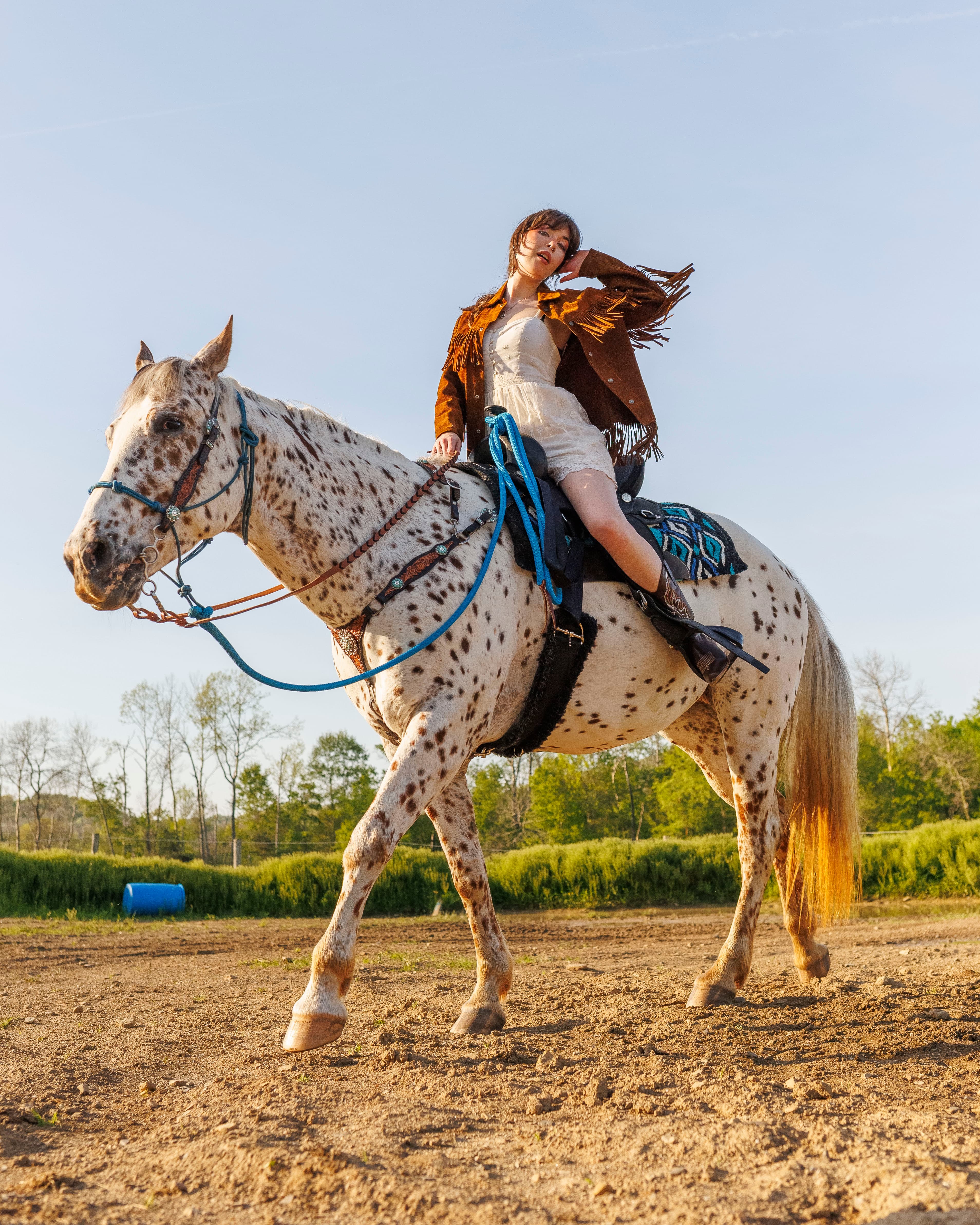
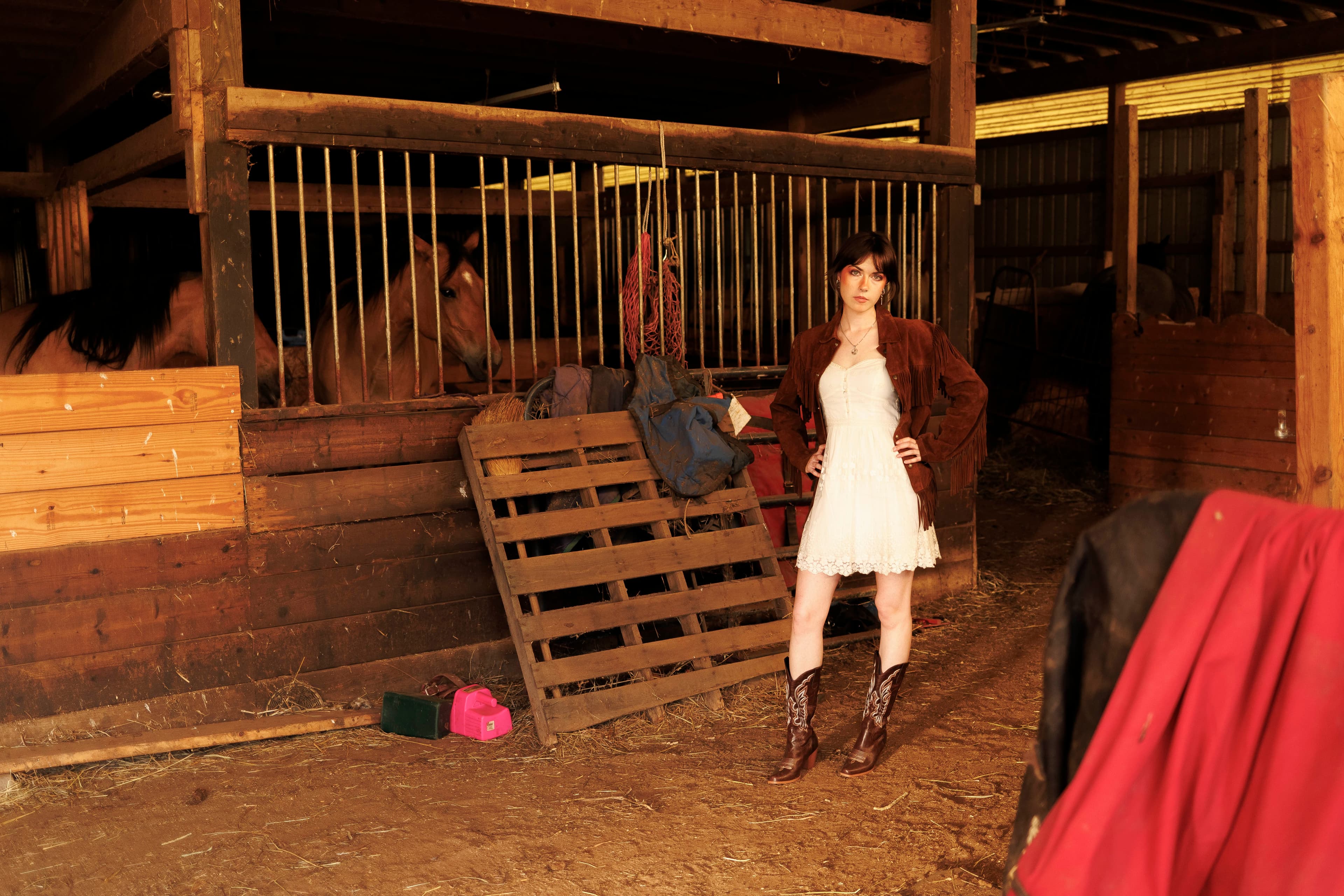
While I was infatuated with My Little Pony, I obviously knew there was no such thing as ponies with horns or wings in the real world (or, more importantly, pink and purple horses). I understood the difference between fantasy and reality, even as a child. What I struggled to understand was why loving horses seemed to become embarrassing as girls got older. The term “horse girl,” as it is used by the internet, no longer represents a person who loves animals, but someone obsessive, awkward, or weird. Perhaps this disparity between what horses represent in our culture and how others perceive those obsessed with them marks the increasing dissonance between culture as we know it and the internet’s influence on how we perceive certain groups.

Loving horses too much became shorthand for social failure. This has happened countless times with a variety of interests, typically those of young girls. Boys’ obsessions become hobbies; girls’ obsessions become phases to outgrow. Interests associated with teenage girls are frequently dismissed as shallow, obsessive, or embarrassing unless they become profitable or appealing to the right audiences. The “horse girl” stereotype, therefore, says less about horses and more about the internet’s tendency to reduce young women into caricatures. What was once enthusiasm became transformed into a social label, one designed to be laughed at rather than understood.
Ironically, the same culture that aims to mock the “horse girl” continues to romanticize the lifestyle horses represent. Campaigns centered around horses dominate luxury fashion, expensive sports, and even “old money” aesthetics online. Society seems to be comfortable with horses when they symbolize wealth and refinement, but uncomfortable when young girls express a genuine attachment to them.

The aesthetics that romanticize the wealth attached to the equestrian lifestyle simultaneously push racial and socioeconomic bias to viewers, mostly subconsciously. Luxury is, by nature, rooted in classism. These aesthetics often reinforce the idea that wealth, sophistication, and social prestige are inherently tied to generational privilege.
Because of longstanding systemic barriers such as discriminatory hiring practices, unequal access to housing loans, and broader economic inequality, black families have historically had fewer opportunities to build generational wealth. The continued obsession with the “old money” distinction reinforces harmful racial and class-based assumptions. It frames inherited wealth as more refined or legitimate while overlooking the labor, resilience, and structural obstacles many people face in achieving financial success without generational advantages.
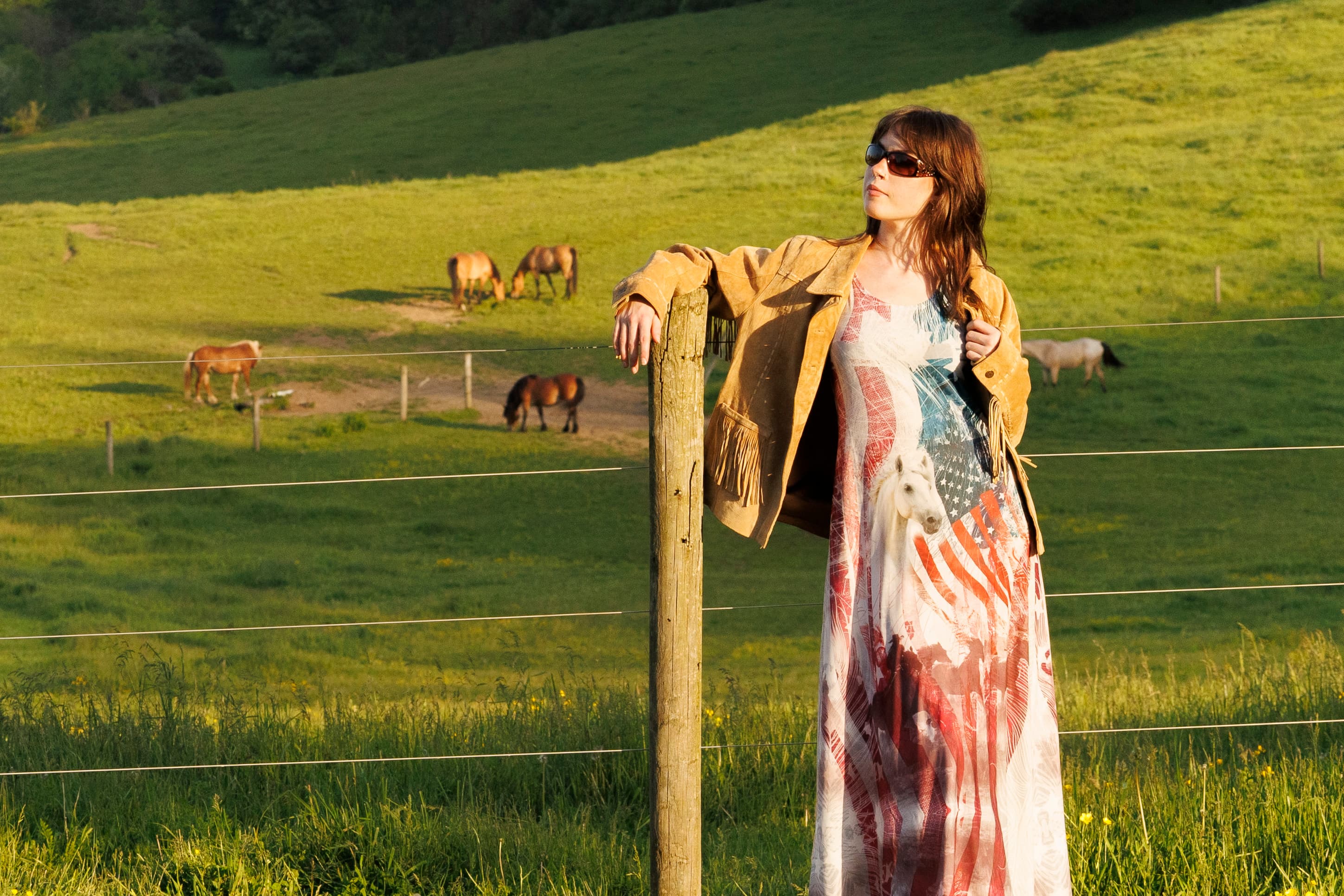
The “horse girl” stereotype, as contrasted with popular “old money” aesthetics, reveals society’s selective attitude regarding how they treat passion, femininity, and class. When horses represent luxury and status, they are celebrated. However, as a subject of genuine enthusiasm for young girls, they are instead mocked. In the end, this dissonance reflects a broader cultural tendency to dismiss young women’s interests while idealizing the privilege and aesthetics those same interests symbolize.