
The Summer Solstice marks the crest in the cyclical rhythm of the seasons: the longest day of the year, the sun’s zenith in its annual arc, and a symbolic moment of maturation within the calendar year. In many cultures, the celebration of the Summer Solstice is associated with blessings of prosperity, fertility, and abundance. It’s enlightening, really — the idea that all humans, regardless of culture or geographic location, are united by their devotion to the Sun and the seasons.
It makes sense, of course. The Sun and the seasons are a cosmic representation of the progression of life. The sun, nourishing and sustaining, functions as a parental archetype in the mythologies of many cultures, typically cast in masculine form but at times embodied as feminine. It is both an authoritative and an illuminating presence, a force without which life cannot exist. The four seasons, in turn, mirror the cyclical stages of human development, tracing a passage from youth to early adulthood, into maturity, and finally into old age, serving as a reminder that the only constant in this reality is change.
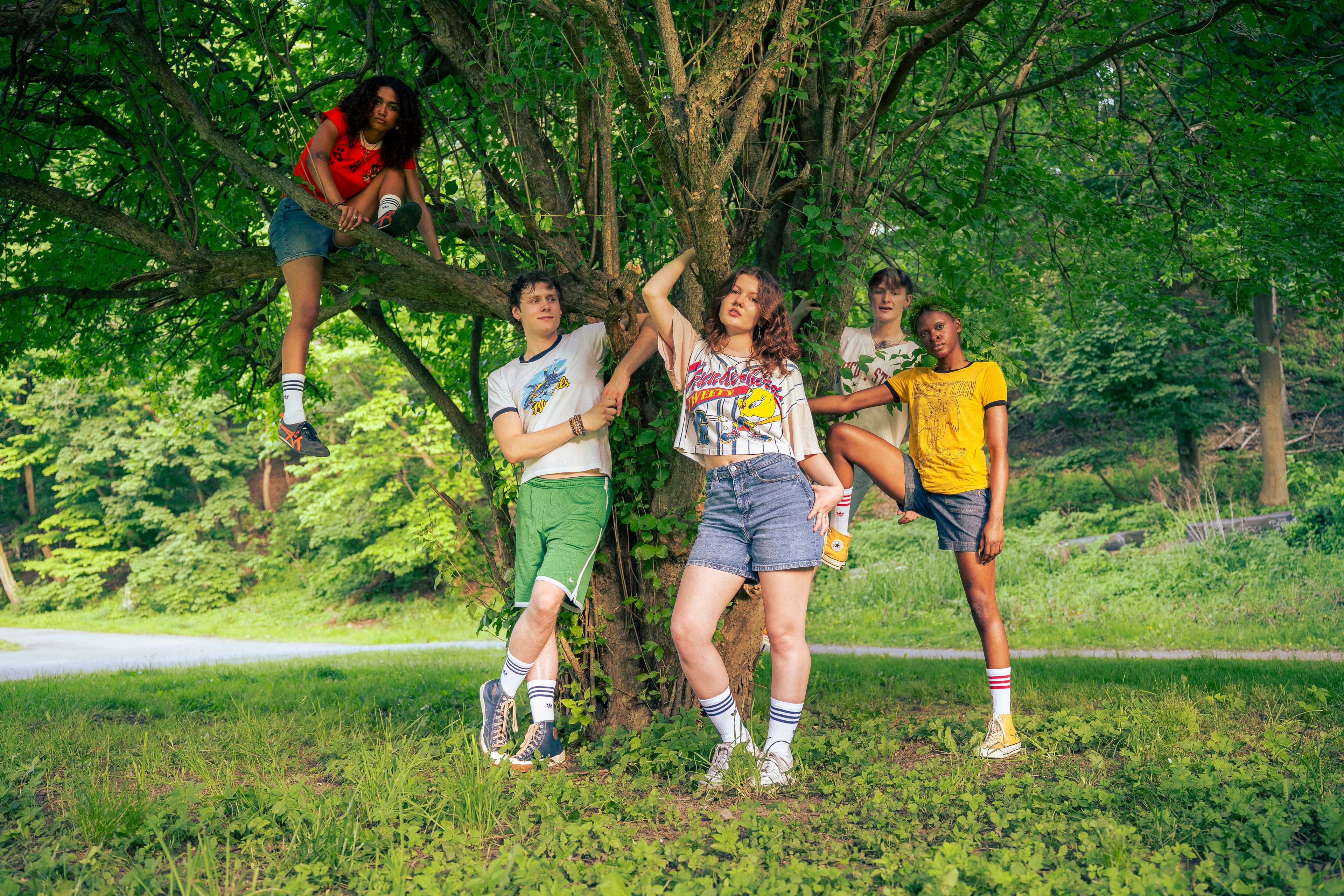
Before I became a writer, I wanted to be an archaeologist. I was fascinated by ancient relics and artifacts from cultures of the past, so I spent a great deal of time in my childhood studying history, watching documentaries, and doing my own "archaeology" projects in my yard. I was especially fascinated by sun worship, crop cycles, and ancient seasonal traditions. Did you know that the ancient Germanic tradition of Midsommar, which marked the transition from Spring to Summer, was celebrated with massive communal bonfires and shamanic rituals, intended to strengthen the Sun? A similar practice could be observed in Celtic societies during Samhain, which involved extinguishing and relighting hearths to symbolize spiritual purification. Chinese cosmology delineates the Vernal Equinox as a brief period in the Lunar year where the cosmic energies of yin and yang stand in perfect symmetry, and it is often celebrated by painting, decorating, or balancing eggs. In Persian tradition, Zoroastrians hold a festival called Chaharshanbe Suri — or "festival of fire", which involves jumping over a bonfire to celebrate Nowruz (the new year). Across these traditions, a shared human preoccupation emerges in the form of an enduring fascination with warmth, purification, and the maturation of the natural world. It is a pattern that spans continents and millennia, linking disparate societies through their reverence for light and the turning of the seasons.
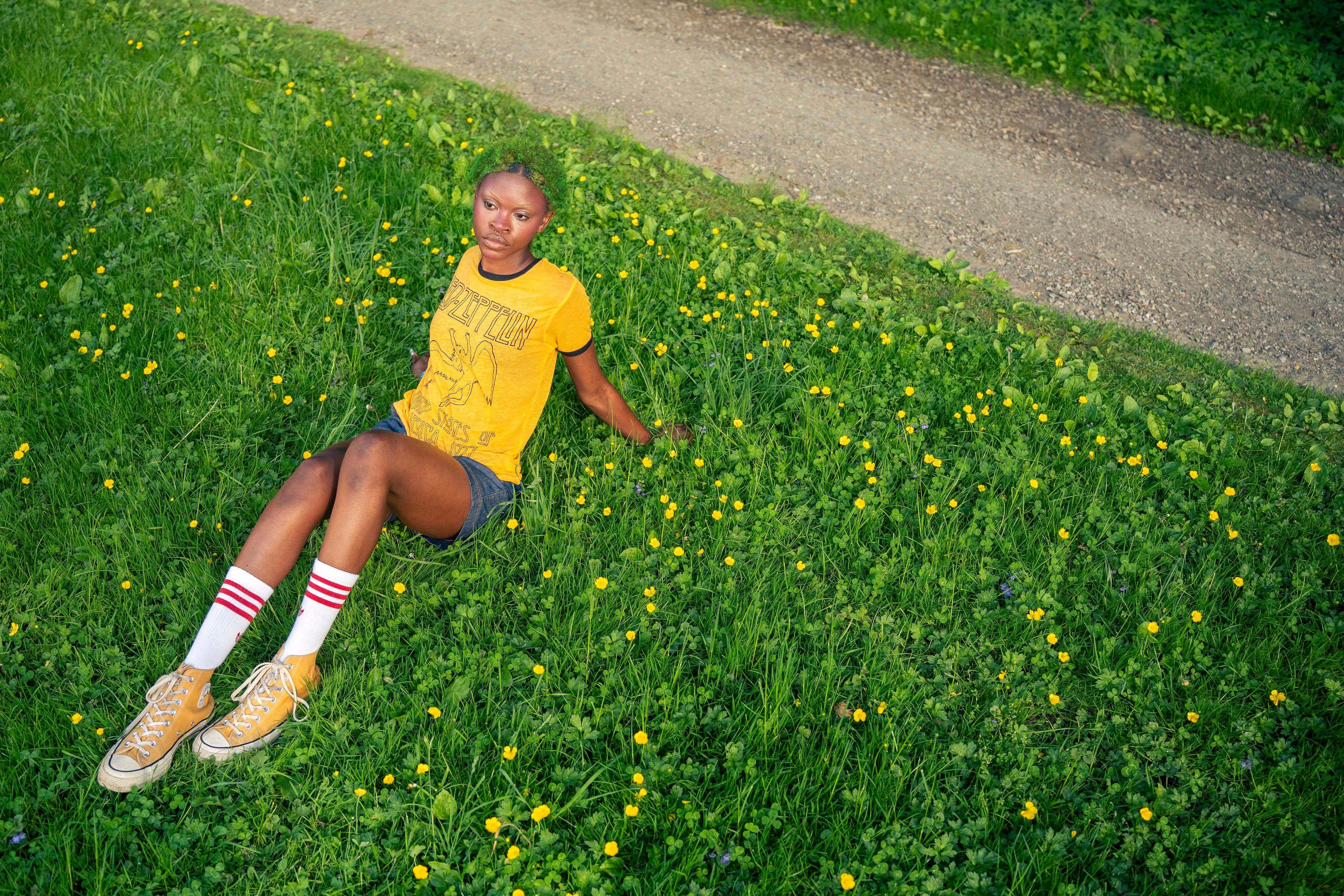
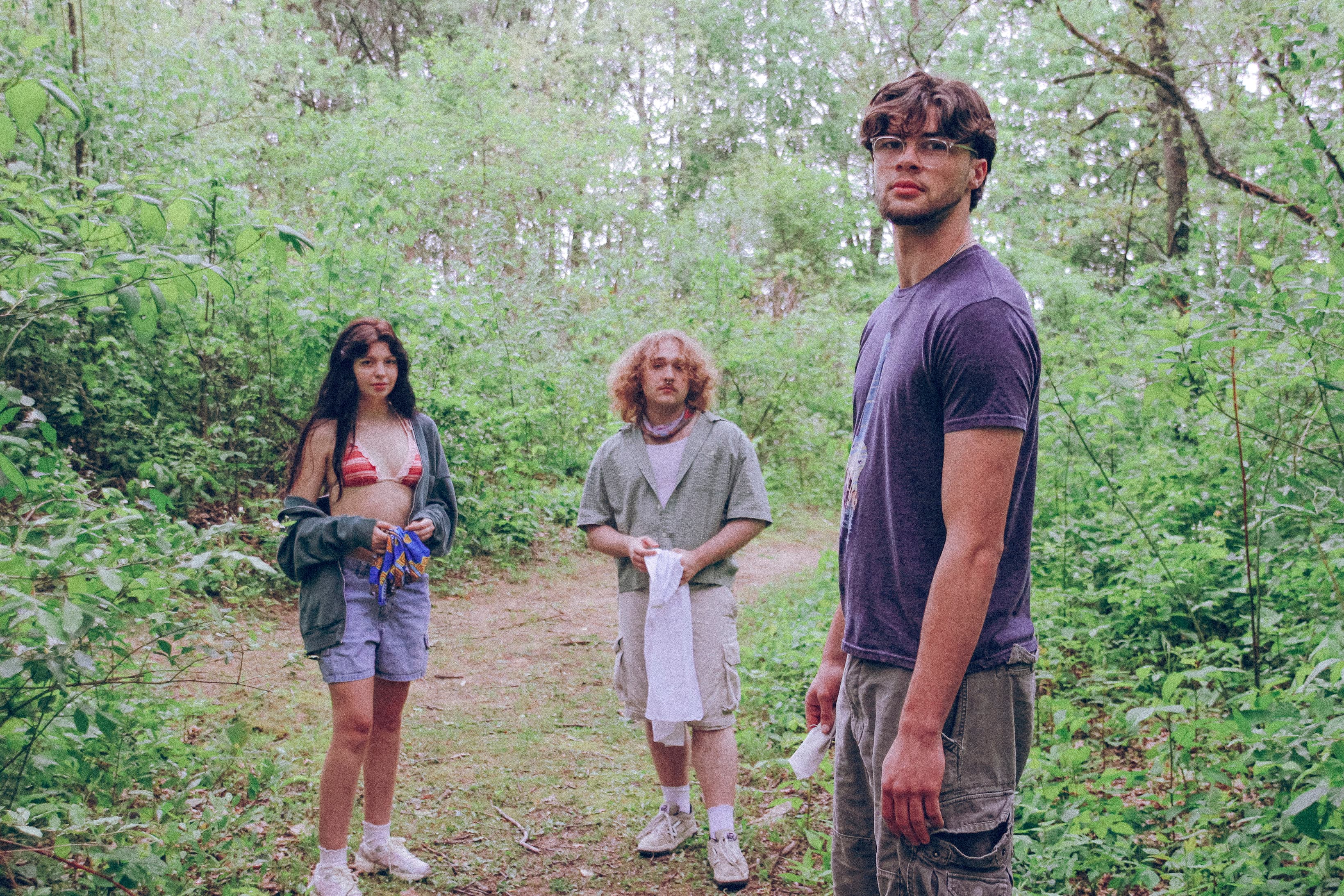
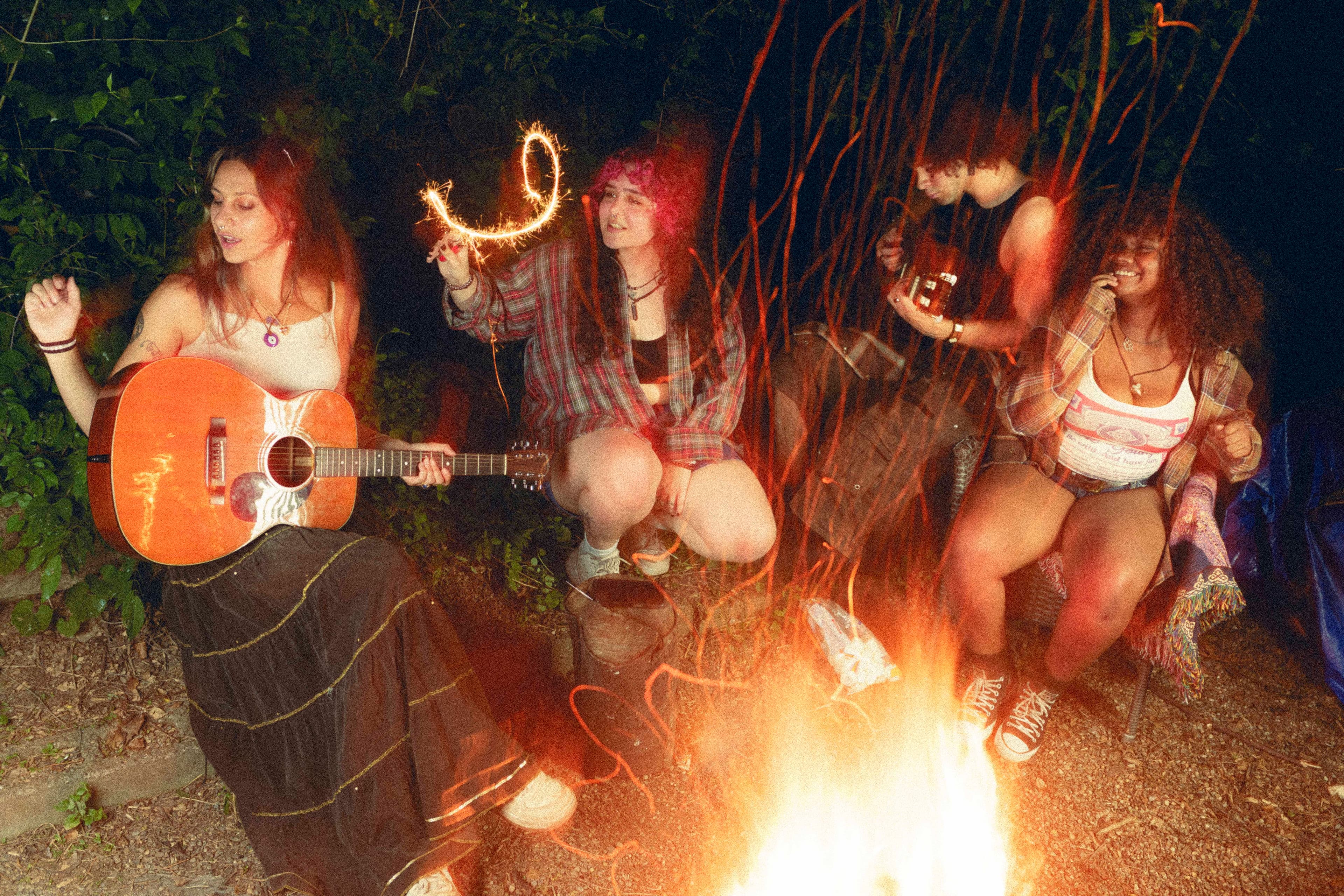
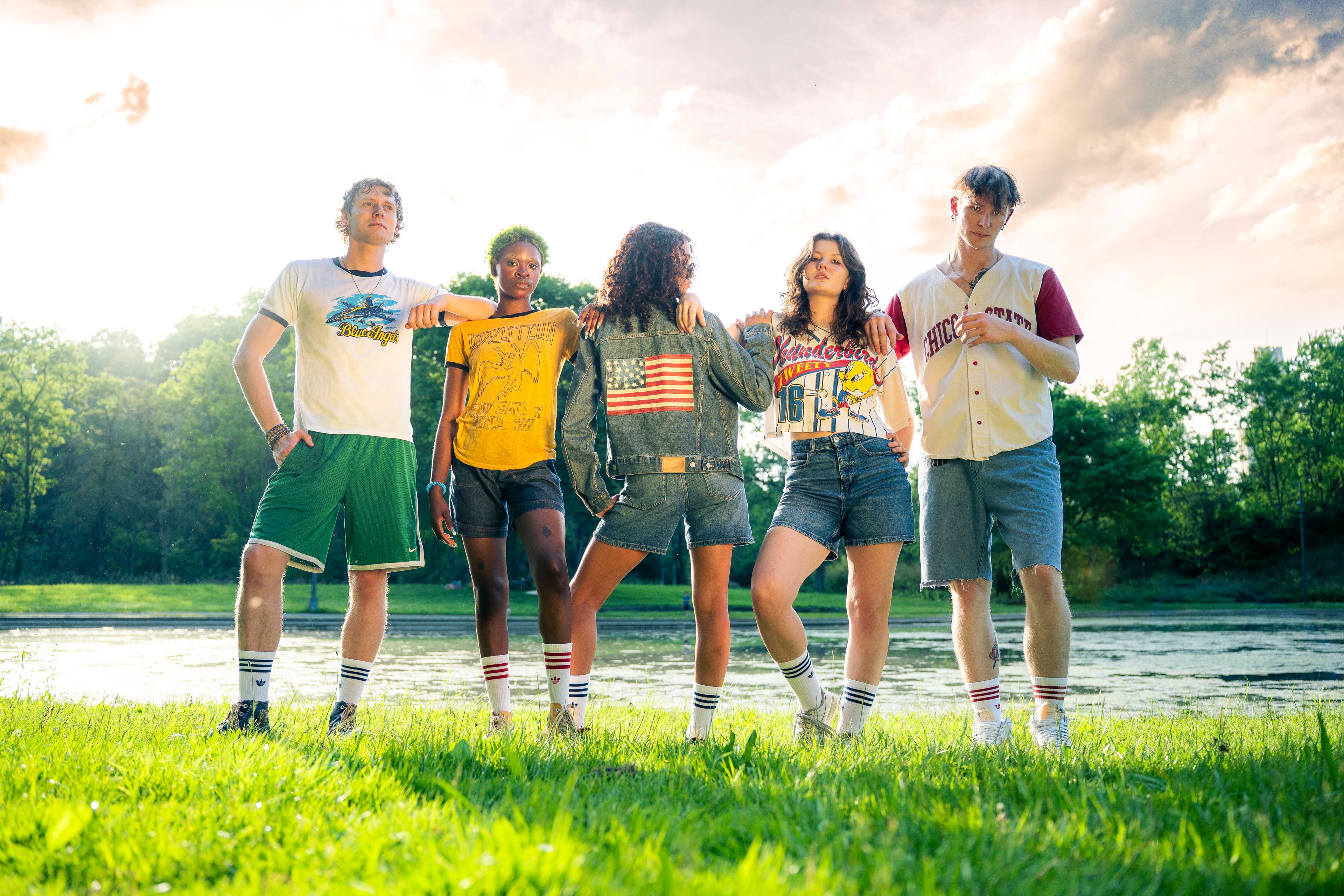
These beliefs and traditions, of course, did not simply "die out" with the advent of industrialization. Rather, they became more globalized, more diffuse, and increasingly shaped by modern technologies. Slowly, entire cultures and communities reshaped how they mark seasonal change. Spirituality underwent a ‘rebranding’ with the passage of time as ancient pagan holidays became relegated to secular festivities. As individuals living in a hypermodern, post-global world, we base school schedules, sports seasons, and international events like the Olympics around the shift from Spring to Summer. We denote the warm season with long periods of rest and rejuvenation, an echo of ancient beliefs in warmth as a powerful force of spiritual purification. We ritualistically rewind our clocks every November so as to extend the fleeting daylight hours in the slumbering season. When I think of Summer, I envision long evenings shrouded by purple skies, the familiar sensation of green grass and dandelions under my toes, deep blue lakes and ponds, warm air aglow with the scent of bonfire smoke, fireworks, picnic baskets, wildflowers, and peace of the soul. There is something innate and deeply satisfying about the invigoration of sunlight and warmth into the skin and hair. As the season matures, my spirit undergoes a parallel transformation as well, emerging fresh and green, and renewed — and suddenly, I’m back in my childhood lawn again, lying under the shade of an oak tree.
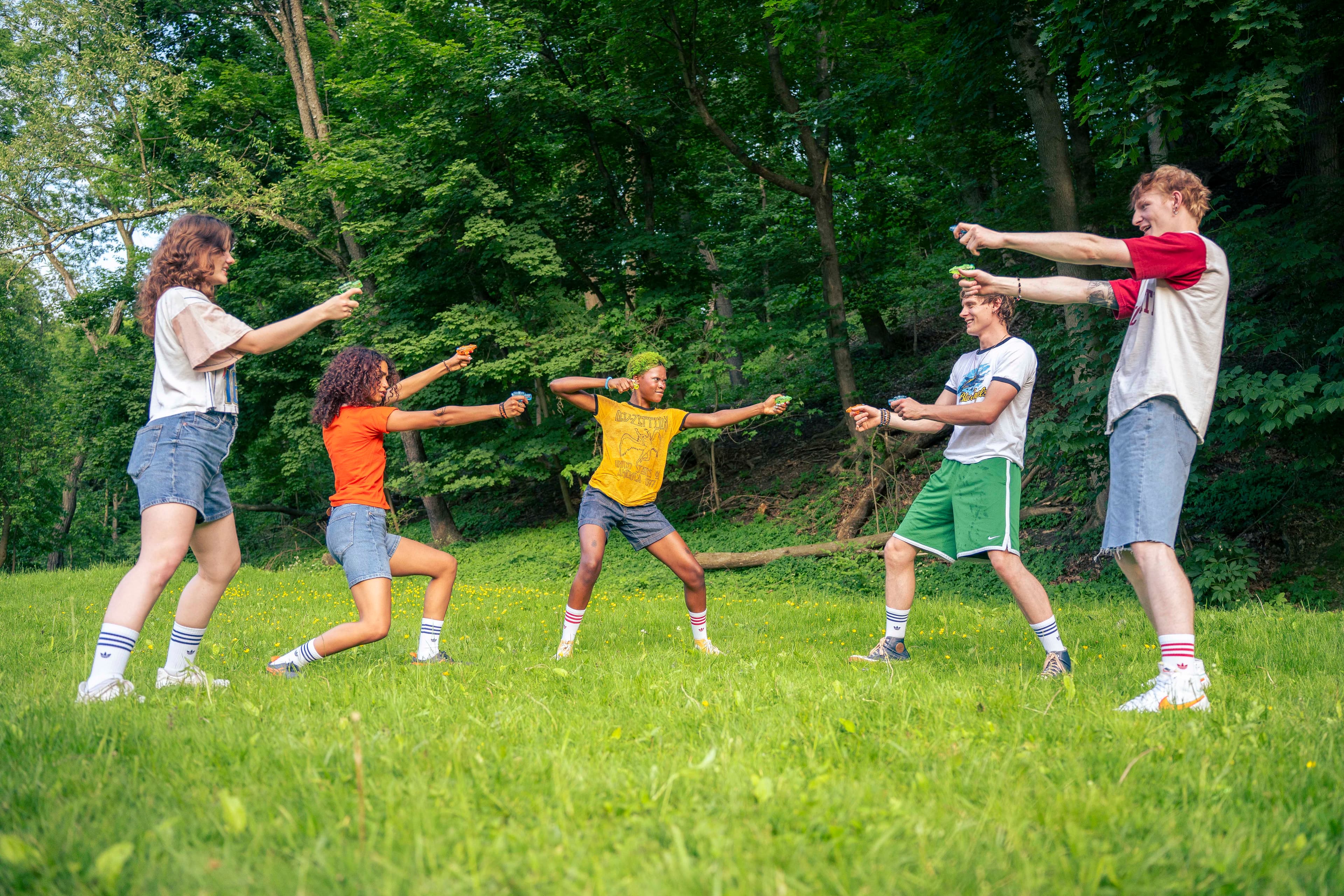
We are all living in the Summer of our lives, past the vernal equinox, and caught in limbo between adolescence and adulthood. Today, as of 2026, the theme of cosmic ripening is becoming ever more apparent: This July will mark the 250-year anniversary of the birth of the United States and a season of unprecedented sociopolitical, economic, and technological change. We are living on the cusp of a great transitional period in our history as we witness—for better or for worse — rapid, era-defining advancements in machine learning and information technology. Global systems of power face incredible challenges brought on by the uncertainty of 21st-century “progress”.
“We have paleolithic emotions, medieval institutions, and godlike technology.”
— E.O. Wilson, American biologist and writer
But like all things in this world, this “summer” will inevitably draw to a close, and the burden falls to us, as newly ripened adults, to ready ourselves for the shift that follows — what happens when the AI bubble pops? Are we prepared for a world shaped by rising climate temperatures and ecological degradation? Will our essential resources eventually become exhausted by our insatiable demand for exorbitant comfort and immediate gratification? Can we retain our humanity when the march of "progress" eventually outpaces our ability to discern between what we can do and what we should do?
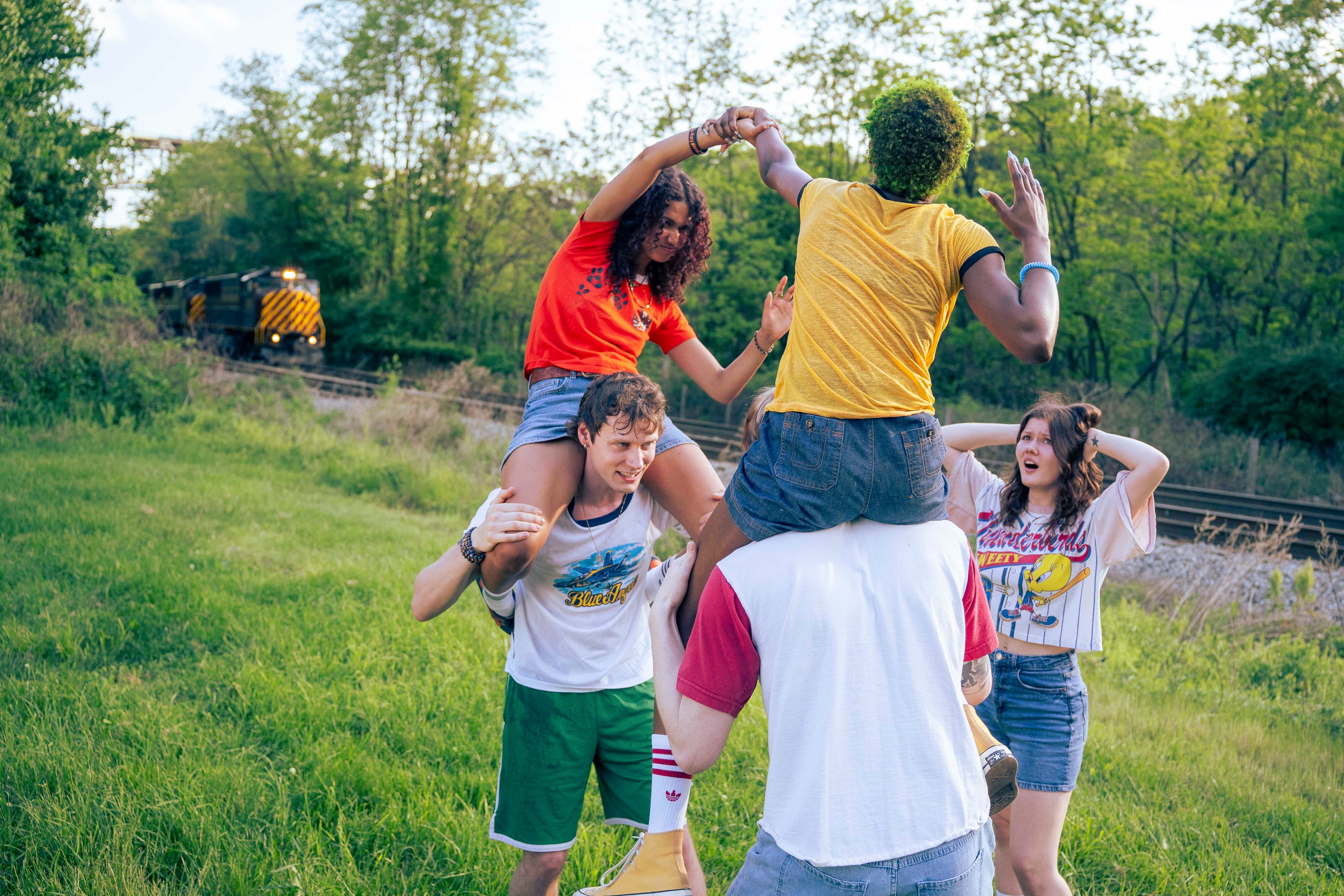
In ancient times, communities prepared for the arrival of the Fall and Winter seasons by coming together to preserve food, host feasts, and extend relief to neighbors. Community-oriented social cohesion was, and is, essential for the survival of human societies. Perhaps we can learn a thing or two from our ancestors. After all, the most powerful form of resistance in the modern age is to refuse to allow our desire for comfort and convenience to take priority over our compassion for one another. So I’ll leave you, the reader, with the following premises to ponder: we can either prepare for the arrival of "Fall", or we can drastically reconstruct our society to create an everlasting summer for all of mankind.