
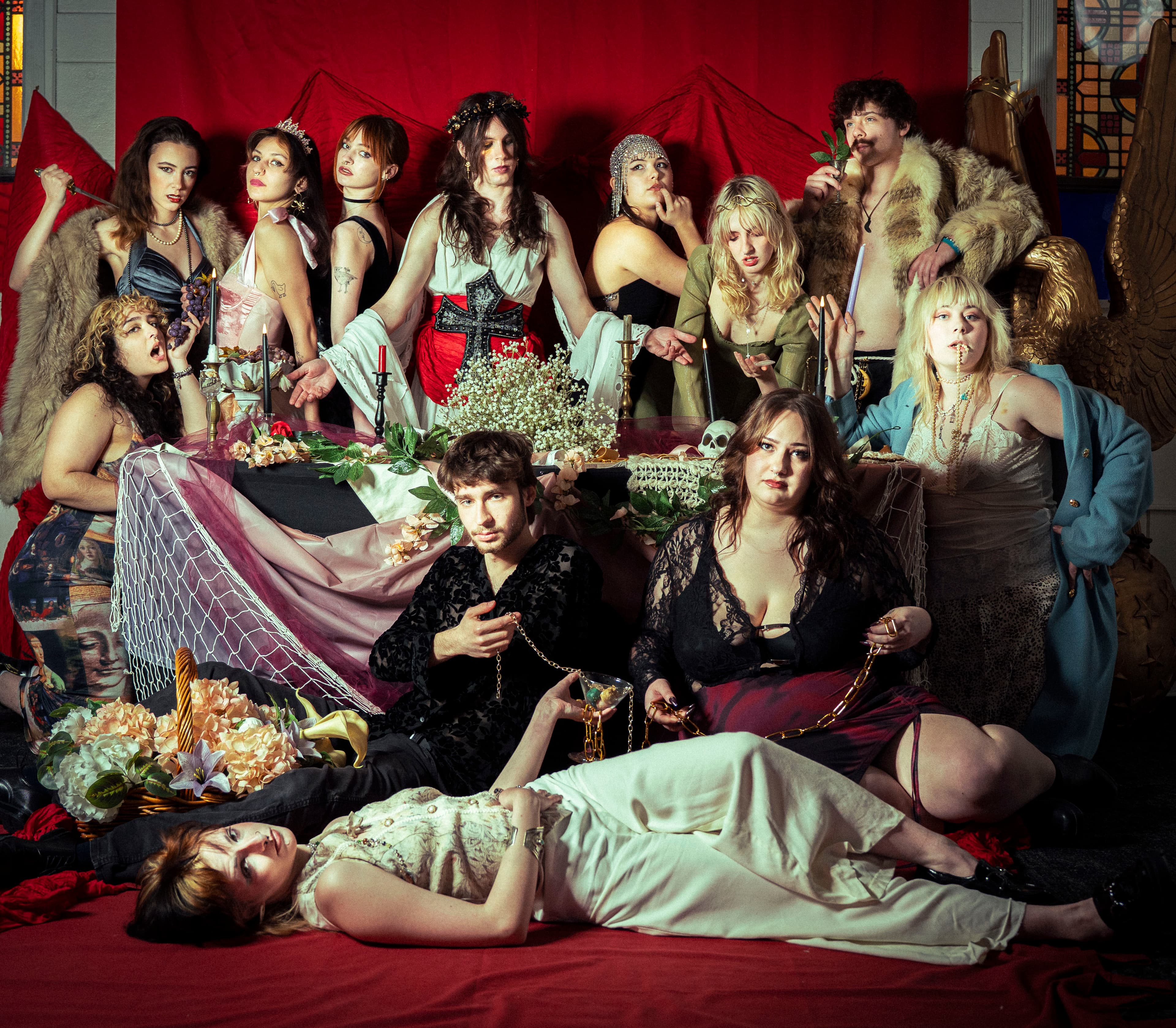
In The Last Supper, a group gathers around a table not just to eat, but to witness a moment charged with ritual, hierarchy, and spectacle. Today, that table has taken on a different kind of symbolism. It is no longer only a place for nourishment, but a stage for luxury. As with fashion, dining and food have become a curated experience in which the appearance of a dish matters almost as much as what is served.
For decades, fashion communicated wealth through fabric, silk gowns, tailored suits, and designer bags. But luxury culture has expanded beyond tailoring. These days, status is just as likely to be displayed through what someone eats as it is through what they wear. Styled, photographed, and carefully constructed, the modern luxury table is now an extension of fashion itself.
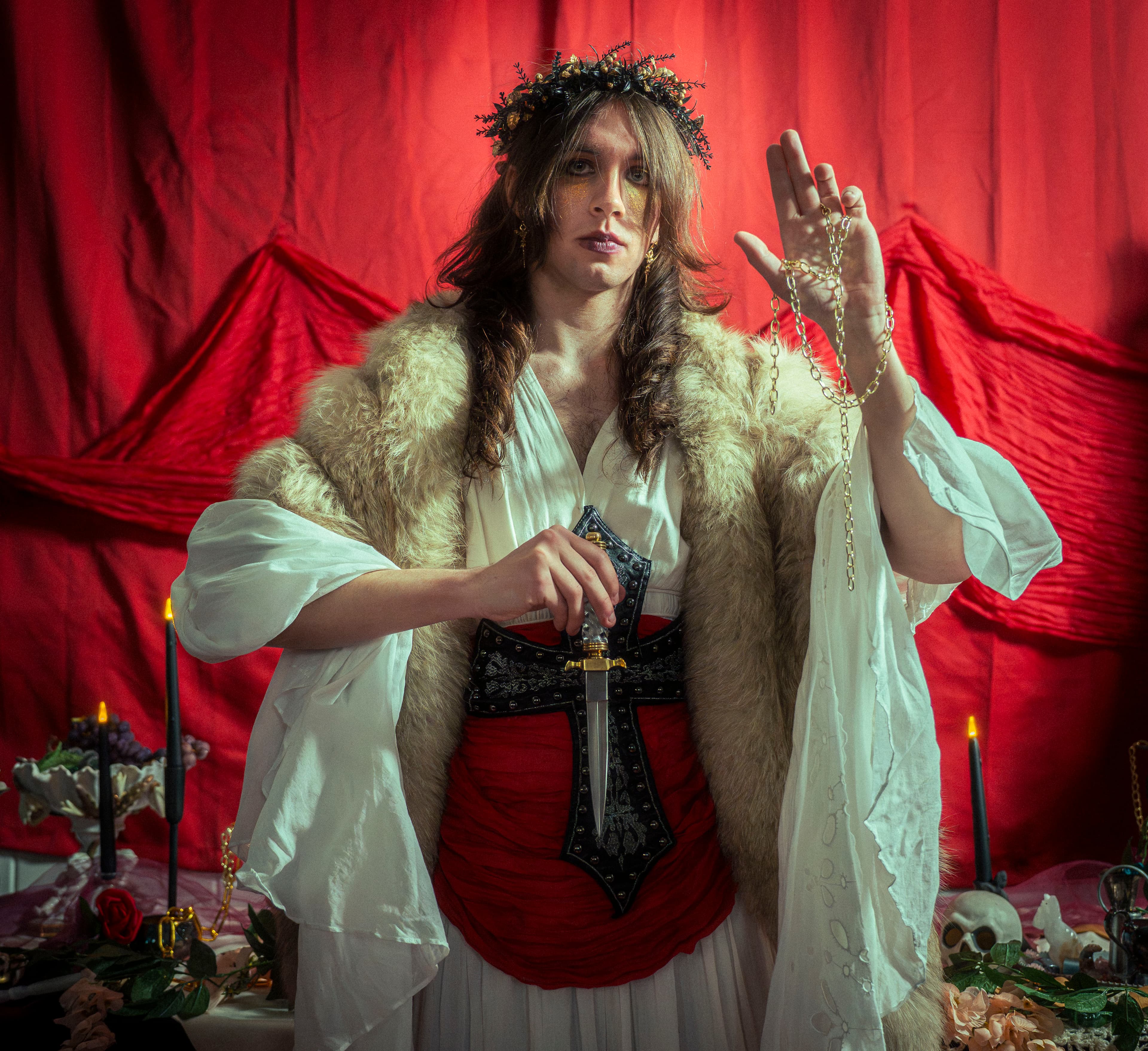
Luxury fashion houses have begun stepping directly into the culinary world. Brands that once focused exclusively on garments and accessories are now opening restaurants and cafés that translate their aesthetic into food. At places like Gucci Osteria, operated by the fashion house of Gucci, dining becomes part of the brand’s universe. Inside the restaurant, maximalist interiors mirror the bold patterns and colors associated with the brand. Plates arrive arranged with the same attention to detail as a runway look, and the whole experience seems less about eating and more about entering a luxurious, fully-realized aesthetic world.
This merging of fashion and food reflects a broader shift in how luxury is consumed.
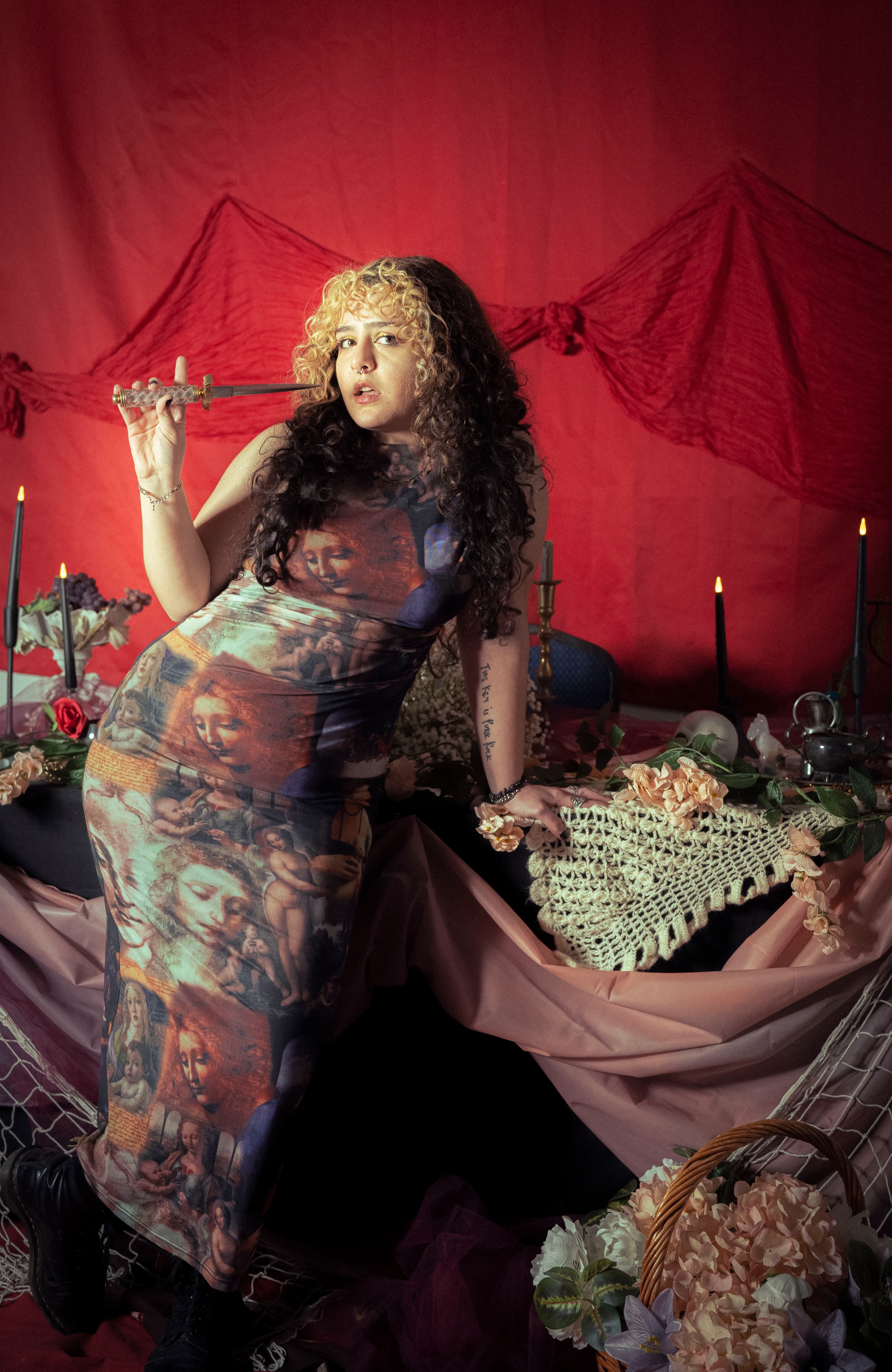
Experiences have become the new status symbol. A reservation at an exclusive restaurant can carry the same cultural weight as a designer handbag. The meal, like the outfit, becomes something to be seen, documented, shared, and admired.
Social media has accelerated this transformation, turning dining into a visual performance. Restaurants design interiors, lighting, and plating with photography in mind. A dish is no longer just a taste; It’s color, texture, and composition. In this sense, the chef begins to resemble a stylist and the plate becomes the model.
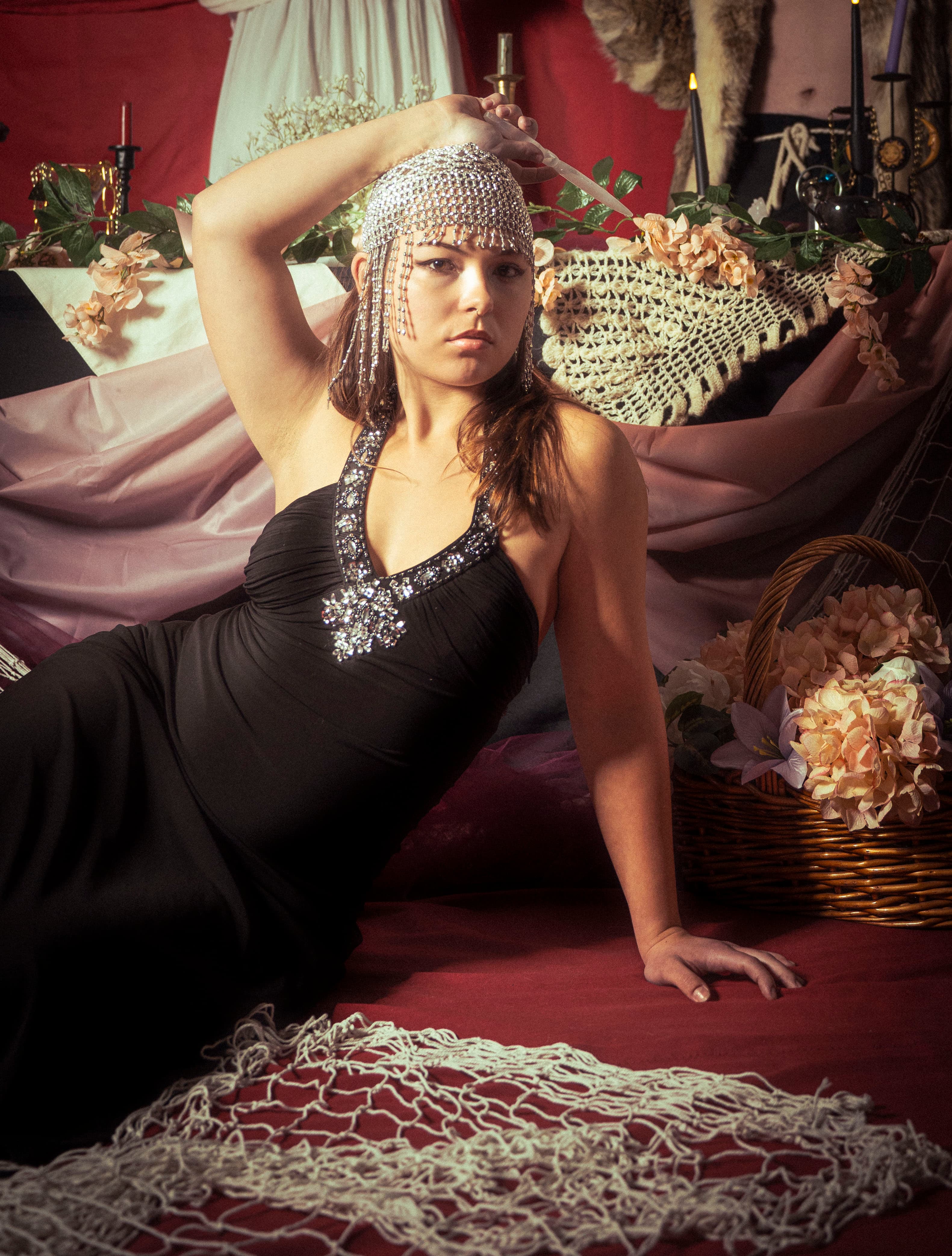
Fashion has always been drawn to excess. Runways thrive on dramatic silhouettes, extravagant materials, and exaggerated proportions. Food culture now mirrors this language of abundance: Towering desserts, overflowing charcuterie boards, elaborate tasting menus.
Gluttony, once framed as a moral failing, has become an aesthetic.
Historically, displays of edible abundance were meant to signal power. In European upper-class banquets, tables were filled with more food than anyone could reasonably eat. The goal was not efficiency, but a demonstration that the host possessed resources beyond necessity. Modern luxury dining carries echoes of that tradition. A meticulously-plated course in a Michelin-starred restaurant and a table overflowing with curated dishes serve the same purpose: they signal access.
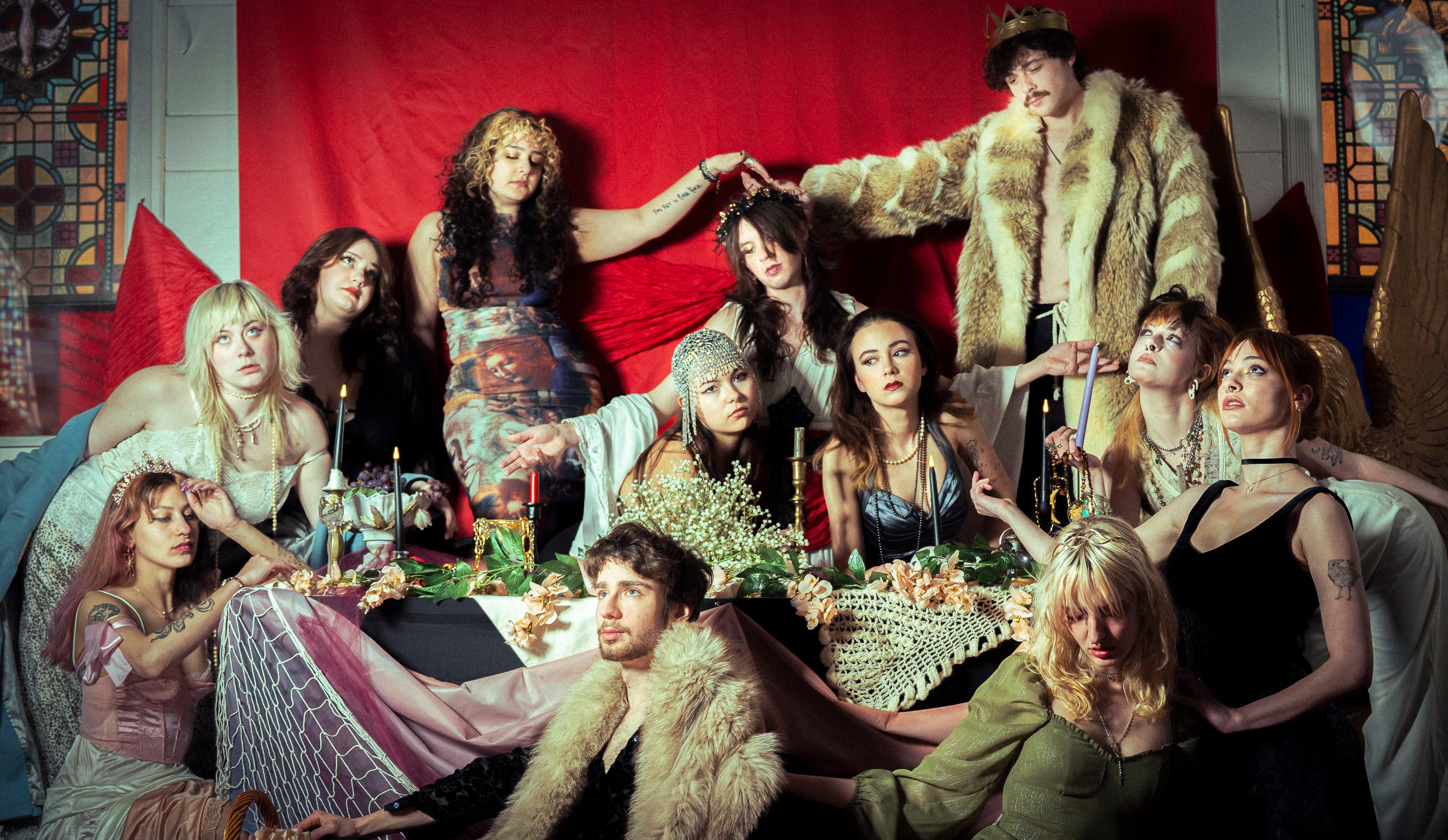
This is where fashion and food intersect most clearly. Both industries rely on desire. Scarcity, anticipation, and novelty keep consumers returning for more. The appetite for fashion, like the appetite for food, is never meant to be fully satisfied.
In the end, the luxury table is not just about what we consume: it is about what consumption represents. Fashion once dressed only the body, but now it frames entire experiences. The meal becomes part of the outfit and the restaurant is now the runway. Around the modern table, gluttony is not hidden; it is styled, plated, and proudly displayed.