
At 15, I had my first boyfriend: a junior/freshman relationship. I jumped at the chance of “love,” even though it didn’t feel right at the time. Months later, on a band field trip to Myrtle Beach, he told me my stomach was too big, my boobs were too small, and my teeth were too yellow. He told me how he would love for me to get implants. He also mentioned he would like to enlarge his penis from two fingers’ width to three. It took me another six months to break up with him.
Ultimately, nothing was wrong with me. I was a kid finding their place in the world, stumbling along, blaming themself for the arduous task of finding belonging. I had always struggled to make friends in grade school and could never figure out why. Early on, I looked internally and figured it must be the way I look. Someone saw that weakness inside me and, subconsciously or not, used it to get what they wanted.
Beauty is treated as a form of ethos in a society focused on superficial qualities. Pair that with portable “mirrors” that connect you to the entire world, tailoring content directly to your wants and fears, and it’s the perfect storm. I don’t know a single person my age who hasn’t had issues with self-image, and I am not surprised. Never in human history have we been able to scrutinize ourselves to the extent we can now. Narcissus was doomed simply by looking at himself in a pond; imagine if he had access to a smartphone.
Capitalism, in theory, is the private ownership of the means of production. The supply of goods and demand of consumers determine which producers sink and which producers swim. In our commodified existence, capitalism is not about who makes the most innovative or essential products; it's who can get you hooked, who goes viral, who can convince you that you need their product, who corners the market first and most aggressively. The consumer landscape is not under the power of the buyer. Instead, the producer tells us what we need.

These huge corporations, obsessed with profit and power, only benefit from our self-loathing. The less you appreciate and accept your physical form, the easier it is to convince you that their product will magically silence that nagging critic in your head. The further you bend to their will, the further they move the goalposts. The window on beauty will always shift, continuing an insatiable cycle of consumption that has become normalized. The people with the money convince us to keep spending, ensuring profits stay high and stocks continue to climb.
Building confidence is not an easy feat, especially when the ever-quickening trend cycle and social media panopticon constantly scrutinizes every little flaw. Pop culture heavily shapes diets, workout routines, medical procedures, and our thoughts. In 2022, everyone was removing their buccal fat after seeing celebs do it. Ariana Grande was seen accentuating her protruding collarbones with gemstones during the second Wicked press tour, which spurred conversation around how unhealthy her and Cynthia Erivo’s weight loss seemed over the course of filming and touring.
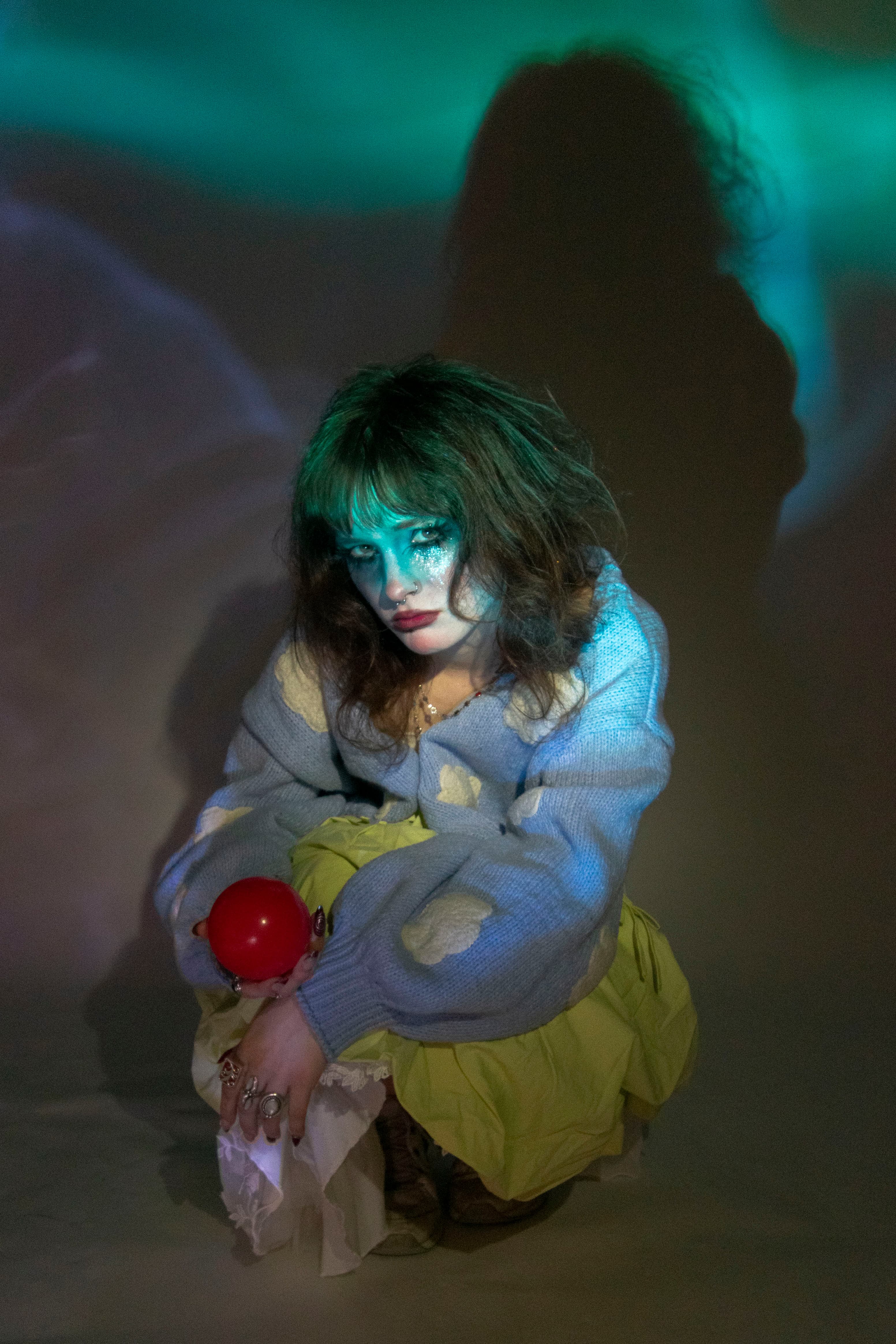
Social media has exacerbated the policing of our self-image. Algorithms only fortify negative thought patterns by pushing you further into a personal filter bubble. Ever click on one weight loss or workout video, only for your entire feed to suddenly fill with ads for skinny tea and waist trainers? Someone born in 2000, like myself, has endured the 24/7 algorithmic slop meant to get you addicted and braindead since their grade-school days.
Perhaps the most concerning “trend” is the prevalence of GLP-1’s and widespread acceptance of their use. While these drugs have medical benefits, most of the conversation surrounding Ozempic, Wegovy, and similar drugs seem to surround the cosmetic applications. Celebrities like Adele, Lizzo, and Meghan Trainor had explosive comment sections on posts revealing their weight loss. Even when a celebrity doesn’t disclose their methods for weight loss, whispers of them using GLP-1s start catching on quickly, like in the case of Barbie Ferreira.
Pop culture folds in on itself even more in movies like The Substance. This movie about an aging actress injecting herself with a substance to create a younger, better her spurred conversation on the internet quickly. Demi Moore’s performance earned her an Oscar nomination for Best Actress in 2024, but she lost to Mikey Madison from Sean Baker’s Anora, a movie about a young prostitute and her misadventure with Russian oligarchy. While not a correlation or a causation, it still mirrors the conversations The Substance triggered surrounding bias through aging and beauty.
Ideas that were once “fringe” now catch on. 4chan trends, based in pseudoscience and intended to categorize people in demeaning ways, have gone viral with the rise of “Looksmaxxing” among young men. In the 2010s, terms like “canthal tilt” and “mewing” were unheard of outside incel forums. Fast forward to now, and everyone’s talking about how Clavicular got framemogged by an ASU frat leader. Being framed as a “meme” is even more insidious. Even if the message is lighthearted in nature, normalizing these trends just makes more people fall victim to negative patterns.

By no means am I saying that the issues we face today are worse than in the past. Women in particular have faced decades of marketing and medicine aimed to sow self-hatred and are coerced into spending money to fix it in turn. Beauty standards are more inclusive and accepting now than even in the beginning of the millennium.
Recently, I told my therapist, “I haven’t achieved self-confidence, but I’ve gained self-assurance.” Expecting to be 100% happy with oneself isn’t healthy. It’s easier said than done, but part of the journey of life is learning to endure.
We are all our biggest critics. With social media and consumer culture pressuring us to turn into our own self-policing panopticons, we must push back against the forces caging us. An existence based on beauty leads to the oppression of all that is deemed not “up to standard.” In an increasingly Black Mirror-esque world, loving yourself in all your true, ugly beauty is crucial and powerful. As we fall deeper into the trap of self-obsession, we fail to appreciate the fleeting “beauty” we are so eager to chase.