

It’s a Sunday night. You’ve been capturing and curating a photodump all weekend: The ornate copper ceiling of a bar you were at, with no identifying features as to make sure your spot stays your spot; Some interesting graffiti you saw on your way to get yet another first-date coffee earlier in the week. A candid (with flash!) of you and your friends shifting and laughing between actual poses, to represent that you were still living in the moment. You start drafting your Instagram post, ordering the photos in a strategically chaotic way. You spend a minute or two finding a good song at an appropriate time stamp and run your witty caption by a friend or two. You save the draft, knowing the ideal time to post for the algorithm is Monday morning. When you put it up, you spend the next 45 minutes checking if your most-recent ex liked it yet. Last week’s date already did, but you couldn’t care less. The online image you’ve created of yourself means nothing without the specific attention you desire.
The ease with which a new profile aesthetic can be deployed and the power it holds over impressions can turn the person behind it into a performance artist. Inner lives have been gamified. There’s a mad rush to be understood as much as you think you understand everyone else online. Yet, the fear of having a less interesting or likable persona encourages the adoption of behaviors that please the algorithm more than yourself. It’s easy to desire the clear description that a profile gives your life, but the technology providing that ability flattens human nuance. The profile photo, a small icon designed to be a headshot, has become a symbol of your existence, immediately recognizable while scrolling. Your profile’s bio, once upon a time short for “biography,” has become incredibly shortened in concept alone. How do you describe yourself in a sentence fragment? And how do you live up to it?
This persona, the virtual self, is easily malleable and yet definitive, starkly different from the infinite interpretations of your physical self. In-person interaction is spontaneous, confusing, and messy. Conversation is underscored by body language and stolen glances between participants. For the under-socialized, it’s a lesson to show up consistently and offer the common courtesy you expect from others. If you can get that far, it’s still impossible to ever know how you are truly being perceived.
In the words of the Butthole Surfers, “you never know just how you look through other people’s eyes.”
When interpersonal expression is seen through fear of misunderstanding rather than reverence for ambiguity, retreating to a life of turn-based interaction and rigidly-defined personality becomes desirable.
Perhaps as a result of the distance this technology has brought us from human connection, pop culture shifted somewhere in the 2010s. Fame and social cachet became associated more with authenticity than spectacle. The mega stars that dominated charts by turning themselves into gods gave way to a new generation of artists wielding relatability over charisma. In turn, record labels, PR agencies, and artists themselves noticed the shifting wind in their audience, capitalizing on the phenomenon with carefully-manicured publicity about their personal lives. Real people became characters specifically designed for public appeal. Augmented by the connectivity of social media, this new breed of celebrity experiences audience-imposed projection and parasocial connection unlike anything previously thought possible: Taylor Swift is your best friend, whether she knows it or not. Maybe this antithetical sculpting of authenticity is what has inadvertently given the public an allergy to moral ambiguity and media literacy. Who’s to say?
It’s not limited to artists. A quick look at politicians, CEOs, and media figures will give you a very quick understanding of how little anybody actually believes in anything. It’s become incredibly common to see such figures post their latest hot take, only for screenshots of their contradicting opinion from a couple years ago to be posted in reply. Perhaps it’s our fault for expecting thought leaders to have any conviction in the first place. It’s easier to say the things that will get you promoted. Many who find themselves failing upwards are too dumb and inexperienced to wield the power they’ve achieved. For this, we should consider ourselves lucky.
A worrying thread in that sphere is the new media class that accepts modest amounts of cash (or even just exposure) in order to launder the reputations of politicians and countries. Spiritually damned creatures like Joe Rogan and Theo Von spent the 2024 election cycle humanizing warmongers out of a cynical desire for views. It was recently made public that Israel (by LLC proxy) has been offering many social media micro-influencers about $7000 per post made in defense of the genocide in Gaza. A darkly funny development came when influencers and activists started suing the Israeli propaganda directorate for the millions of dollars that never came. The price of a soul has never been lower.
The idea of “selling out” has become “getting the bag.” It went from being seen as the easy way to the top to a self-justified, smart choice. You better get the bag now, too! If you don’t, someone less cunning and thoughtful than you will get it instead. And you know better than them, so it’s just the right thing to do, right? Plus it’s really like you’re tricking those people giving you money, because you don’t even care about what they’re asking of you anyway. It’s like you’re actually being Robin Hood by selling yourself. You’d actually be an idiot to not take the money. You’re actually a virtuous genius. *Now go get that bag.
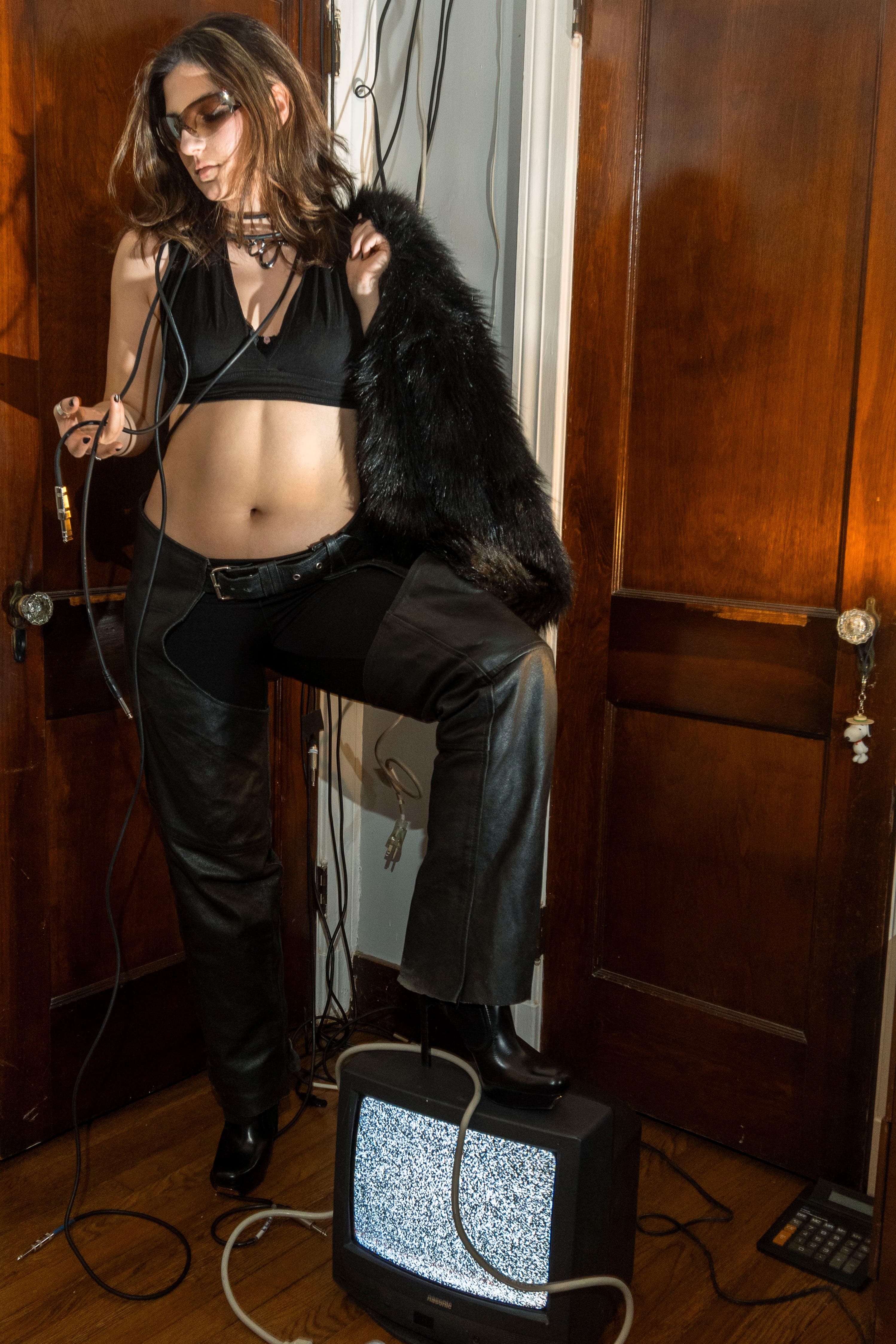
When modern role models are created in a lab to maximize the amount of attention and money they receive, it becomes difficult to convince yourself to hold your digital persona to a rigid ethical standard. Seeing millions of people in a performative, clout-based arms race to become the internet’s next alt baddie or disaffected comedian gives the sense that no one participating in the game even knows who they are outside of it anymore.
Does that matter though? Perception is reality, as they say. At least the persona you assume online can only really affect things when the gap between it and reality is substantial. Even then, the goal is still to avoid misinterpretation. It's almost hopeful. Maybe by creating these caricatures of ourselves, we’re just shunning traditional role models and making our own. As long as we remember we’re chasing something as unattainable as self-constructed perfection, it’s just another opportunity for growth. It’s hard to live up to the highly-idealized images we make of ourselves, but we can try.