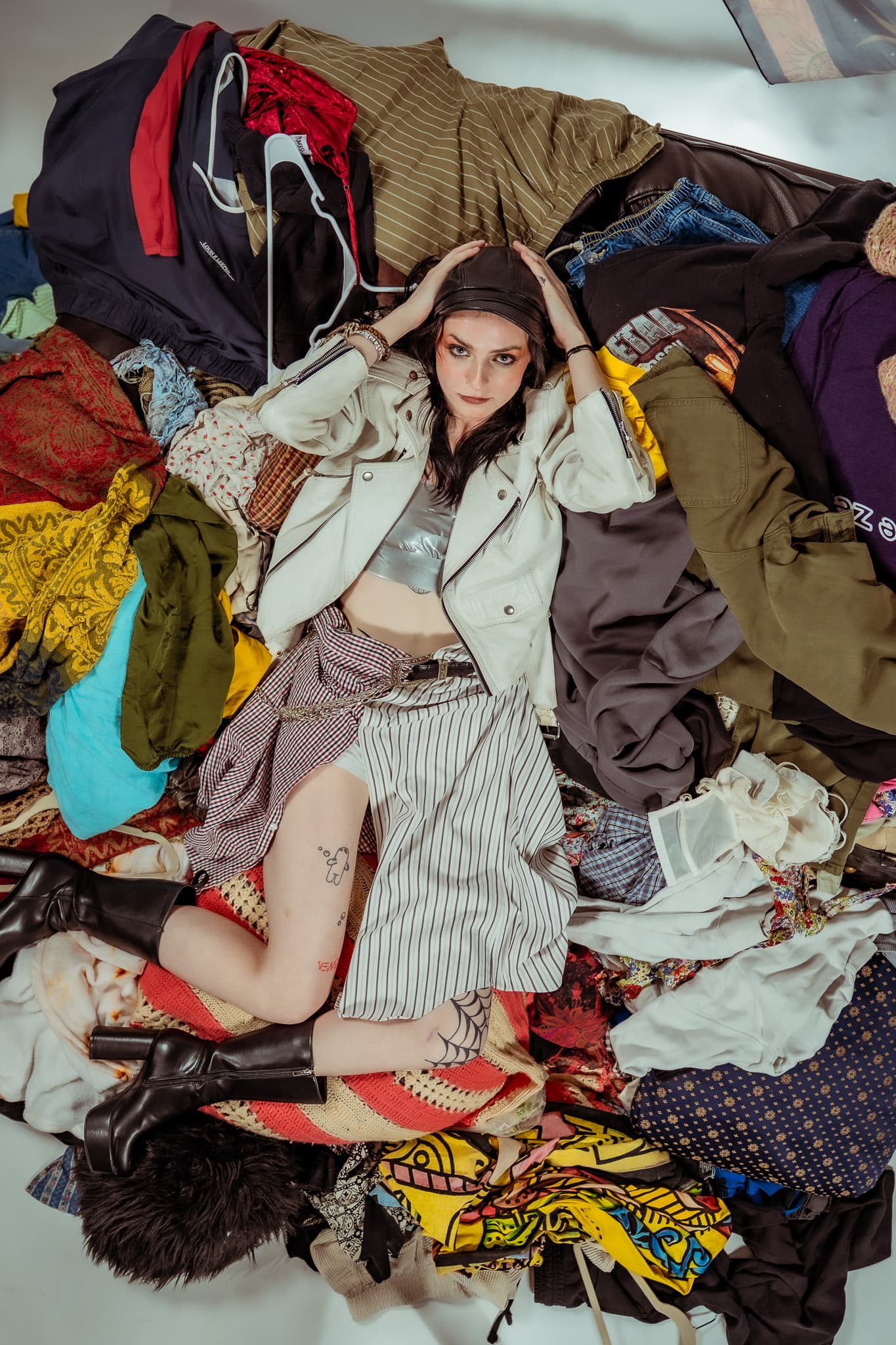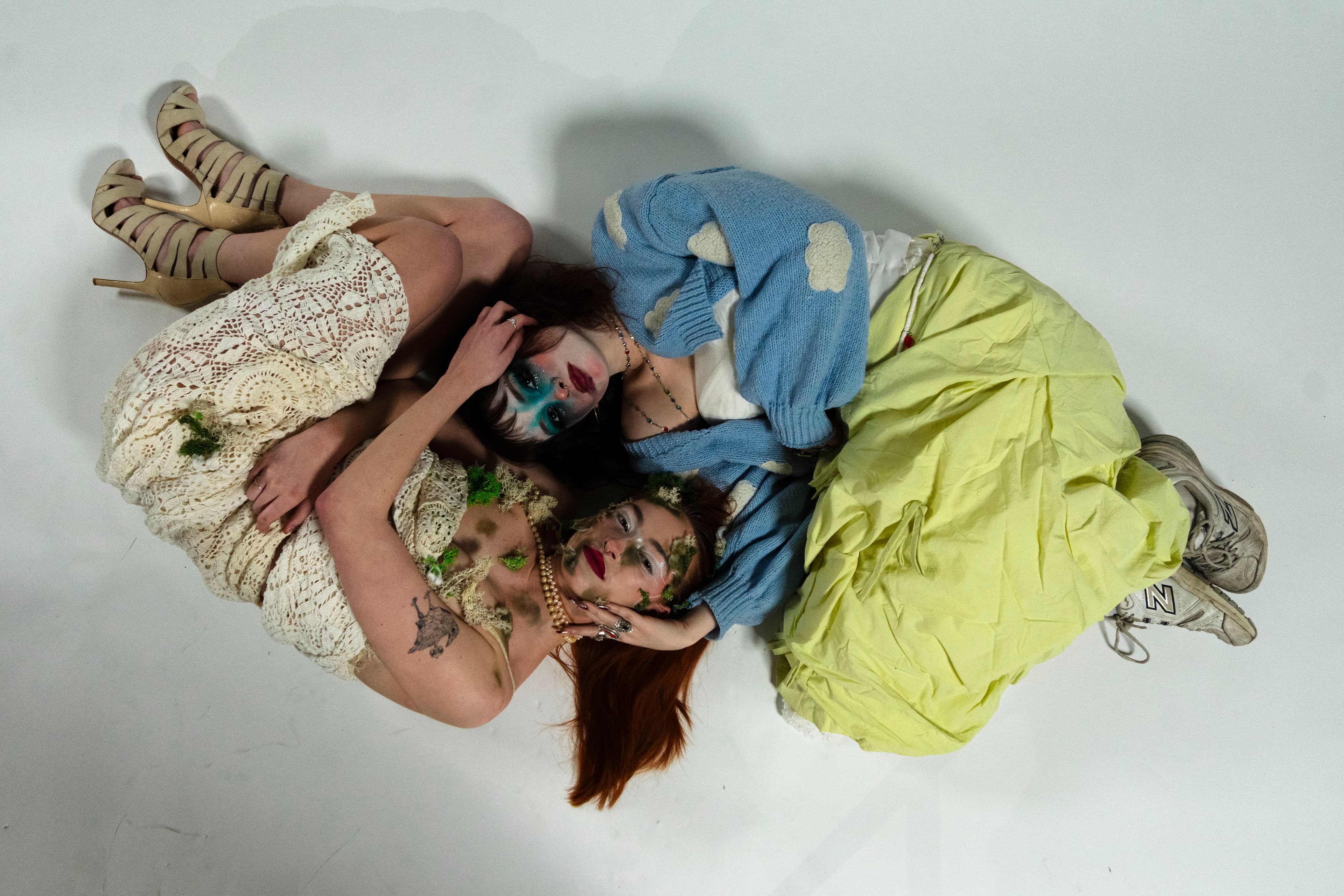

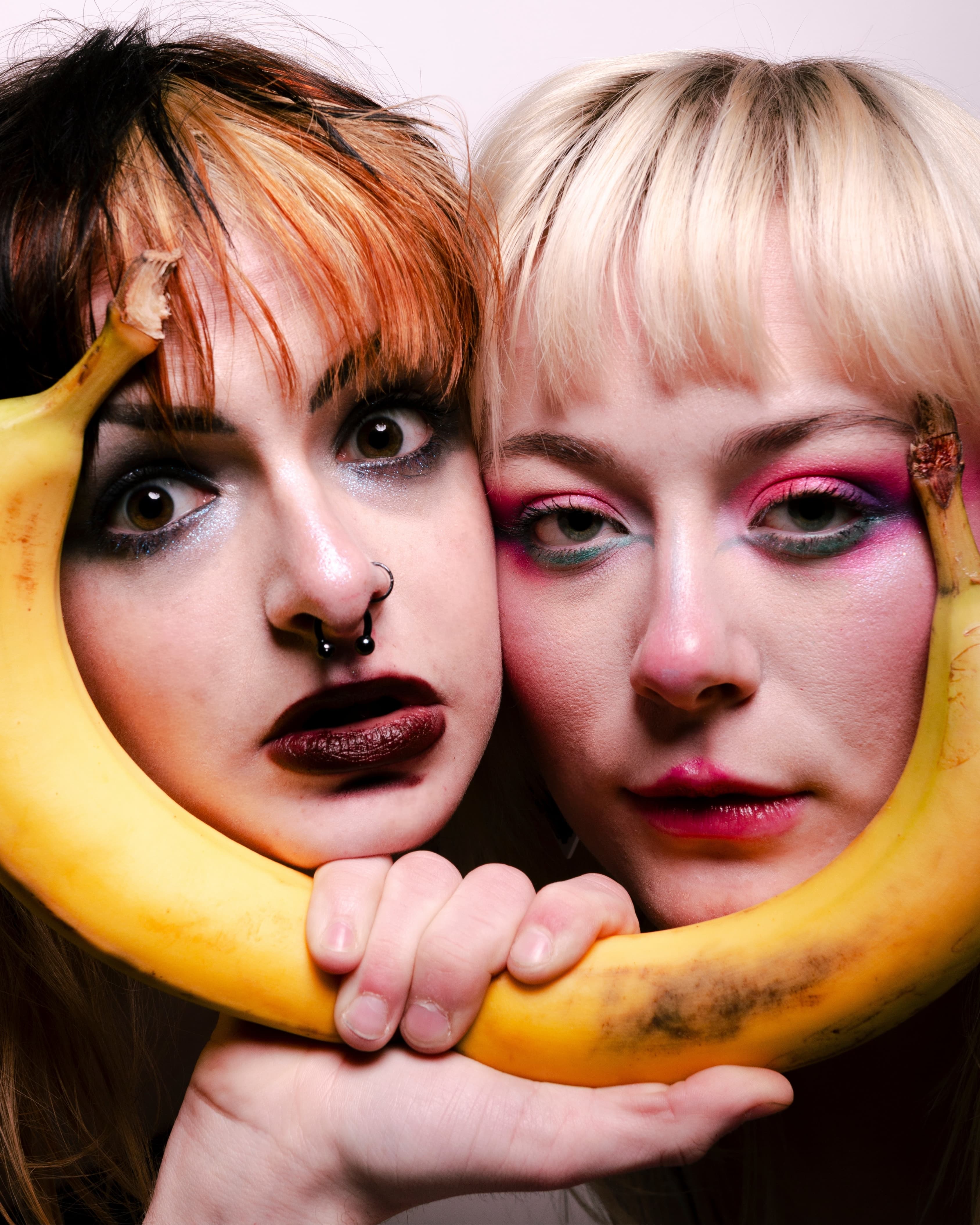
In my studio apartment that smells like burnt-out candles, I meet with my therapist over secure video chat. It’s one of countless online appointments I used to take in-person. She asks how old I was when I first downloaded a dating app, and is vaguely horrified to hear that my Tinder profile was fully realized before the sun set on my 18th birthday.
It seemed normal to me. Even before I was old enough to download “gamified” dating platforms like Tinder and Bumble, the internet already played a massive role in how I socialized. No teenage relationship began without an online “talking stage.” In real life, I had always felt like the odd one out. Online, I could create an image of myself that wasn’t.

A 2024 study commissioned by Tinder found that 91% of men and 94% of women reported finding the current dating environment harder than ever. This is a sentiment shared by many of my peers, reflected even in the language used to describe the interpersonal limbos we trap ourselves in.
It doesn’t matter if you’re single, taken, or lost in a mind-altering situationship: the internet has irrefutably changed how we expect and are expected to behave with each other. Social media has introduced new sources of insecurity within relationships, and having constant access to your partner can often do more harm than good.

Add in the unprecedented ability to digitally spy on other people and their relationships, and it’s no wonder everyone’s so dissatisfied. Author Barry Schwartz calls it “the paradox of choice”: a phenomenon where an overabundance of possibilities actually decreases overall satisfaction. It’s a vicious cycle, considering these “other possibilities” are often only a meticulously-curated snapshot of reality.
There’s a certain voyeurism involved in broadcasting your relationship, in setting up a Tinder profile and waiting for the likes to roll in. It isn’t just for yourself and your current/prospective partner. You do these things hoping some wider audience can recognize you are worthy of being loved.

I don’t necessarily think the internet has ruined dating. I do think, however, that digital courtship encourages people to constantly and compulsively seek out another’s attention. Just about anyone can get on the internet and find someone else to validate them, whether via Bumble match, Instagram like, or Snapchat message.
But, if you’re constantly held up by other people, you’ll lose your ability to validate yourself. To sit with the radio silence for a while. And it won’t just affect you: your future partner can’t fill that void once it’s created. Only you can.
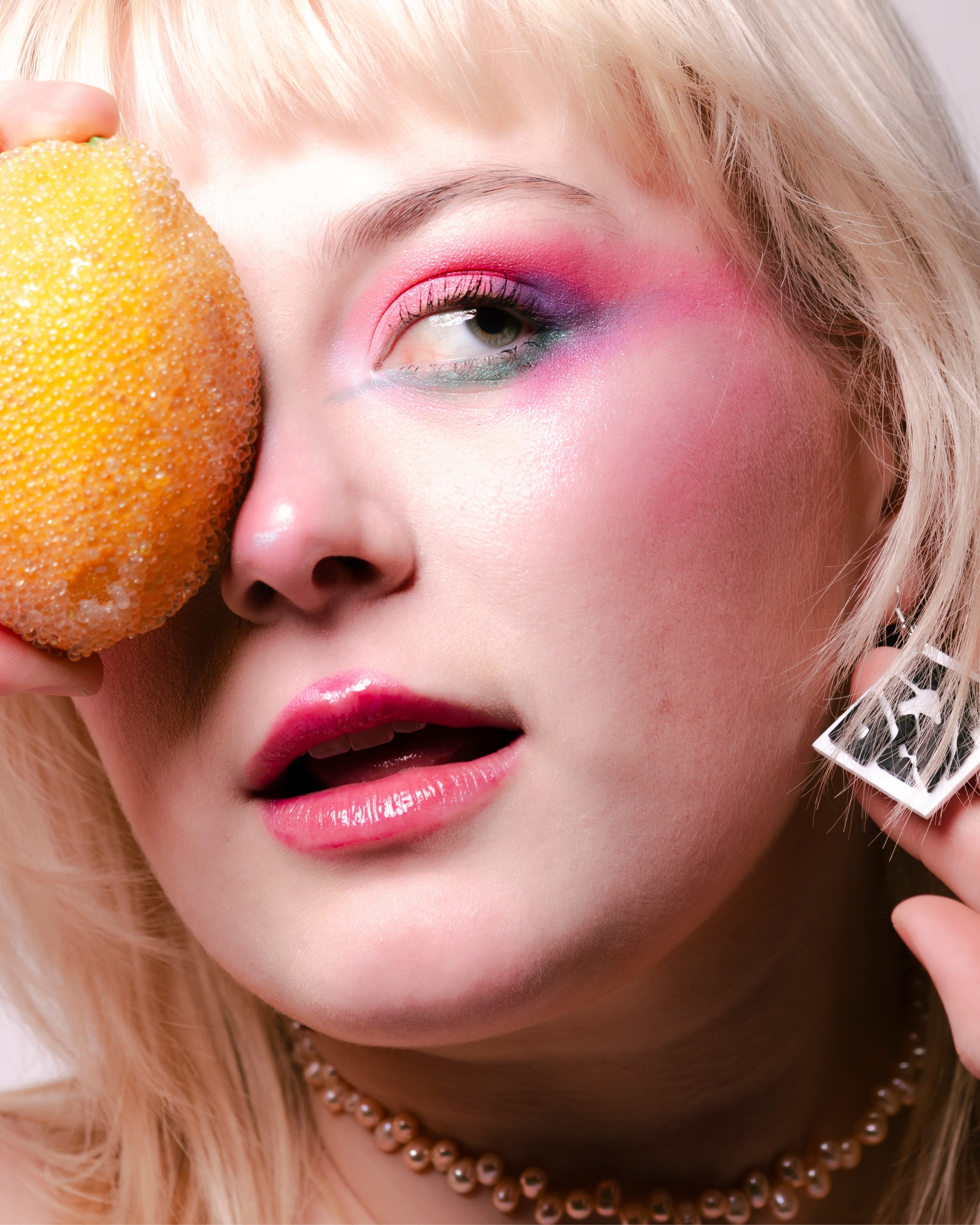
As a teenager, I swear I thought I’d stop existing if I wasn’t being watched. On odd nights in bed, that fear creeps back in, and I find myself lonely in spite of the company of my big, orange cat. But before redownloading Hinge, I’ll force myself to face a question:
Is this really what you want? Or is it just what you want them to see you get?